Contents
Starting out in skateboarding can be both exciting and a little daunting. Choosing the best skateboard setup for beginners is crucial to ensure a smooth and enjoyable start. This guide will walk you through everything you need to know, from selecting the right board to learning your first tricks.
Choosing the Right Skateboard for Beginners
Your first skateboard should be both comfortable and suitable for your style. Here are the key components to consider:
- Deck Size: A width between 7.5 and 8.0 inches is ideal for beginners. It offers a good balance between stability and maneuverability.
- Deck Material: Most decks are made from maple wood, which provides durability and the right amount of flexibility.
- Wheels: Opt for wheels between 52mm and 54mm in diameter. These sizes are versatile enough for both street and park skating.
With these elements in mind, you can choose a skateboard that matches your needs and helps you progress confidently.
Choosing the right skateboard setup is crucial for beginners to ensure safety and ease in learning. The following table outlines the essential components of a beginner's skateboard setup.
| Component | Recommended Options |
|---|---|
| Deck Size | 7.5" - 8.0" |
| Trucks | 129mm - 139mm |
| Wheels | 52mm - 54mm, 78A - 84A hardness |
| Bearings | ABEC 5 or higher |
| Grip Tape | Standard grip tape |
This table provides a comprehensive overview of the recommended skateboard setup for beginners, ensuring that they have the right equipment to start their skating journey with confidence and comfort.
Setting Up Your Skateboard
Setting up your skateboard correctly impacts your skating performance. Here's a simple guide:
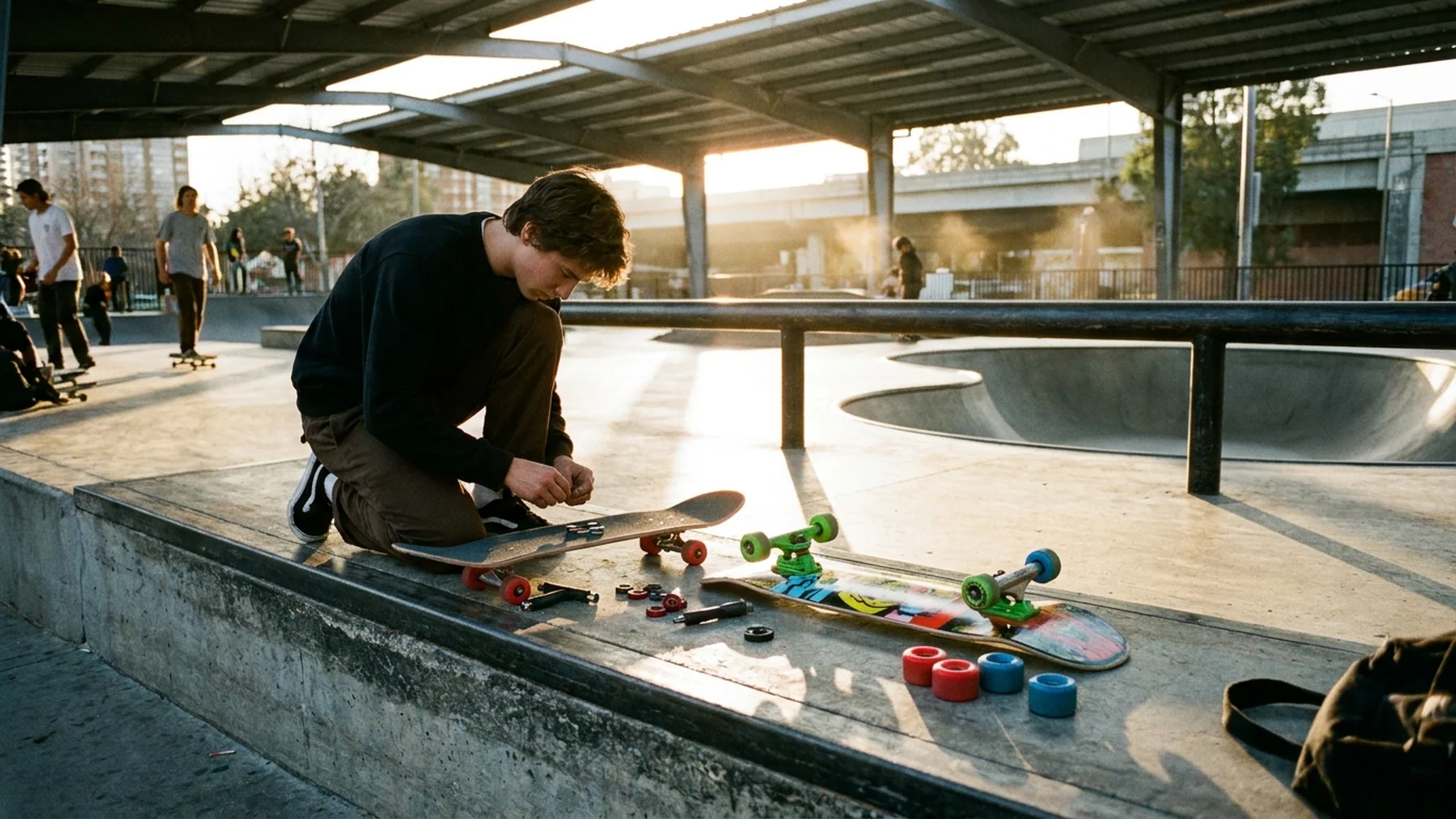
- Attach the trucks to the deck using a skate tool. Ensure they are aligned properly.
- Secure the wheels onto the trucks. Tighten the axle nuts so the wheels spin freely but don’t wobble.
- Adjust the kingpin nut for your desired turning tightness. Tighter trucks provide stability, while looser trucks allow for easier turns.
Proper setup ensures your skateboard responds well to your movements, making learning new tricks easier.
Essential Skateboarding Safety Gear
Safety should always be a top priority. Equip yourself with the following gear:
- Helmet: Choose a certified helmet that fits snugly to protect your head.
- Knee and Elbow Pads: These offer protection during falls, reducing the risk of injury.
- Wrist Guards: They help prevent wrist injuries, especially during initial learning stages.
Wearing safety gear boosts your confidence and allows you to focus on improving your skills.
Basic Skateboarding Tricks for Beginners
Once your setup is complete, it's time to learn some tricks. Here are a few to start with:
- Ollie: This is the foundation of most tricks. Practice popping the tail and sliding your front foot forward to lift the board.
- Kickflip: After mastering the ollie, try flicking the board with your front foot to make it spin.
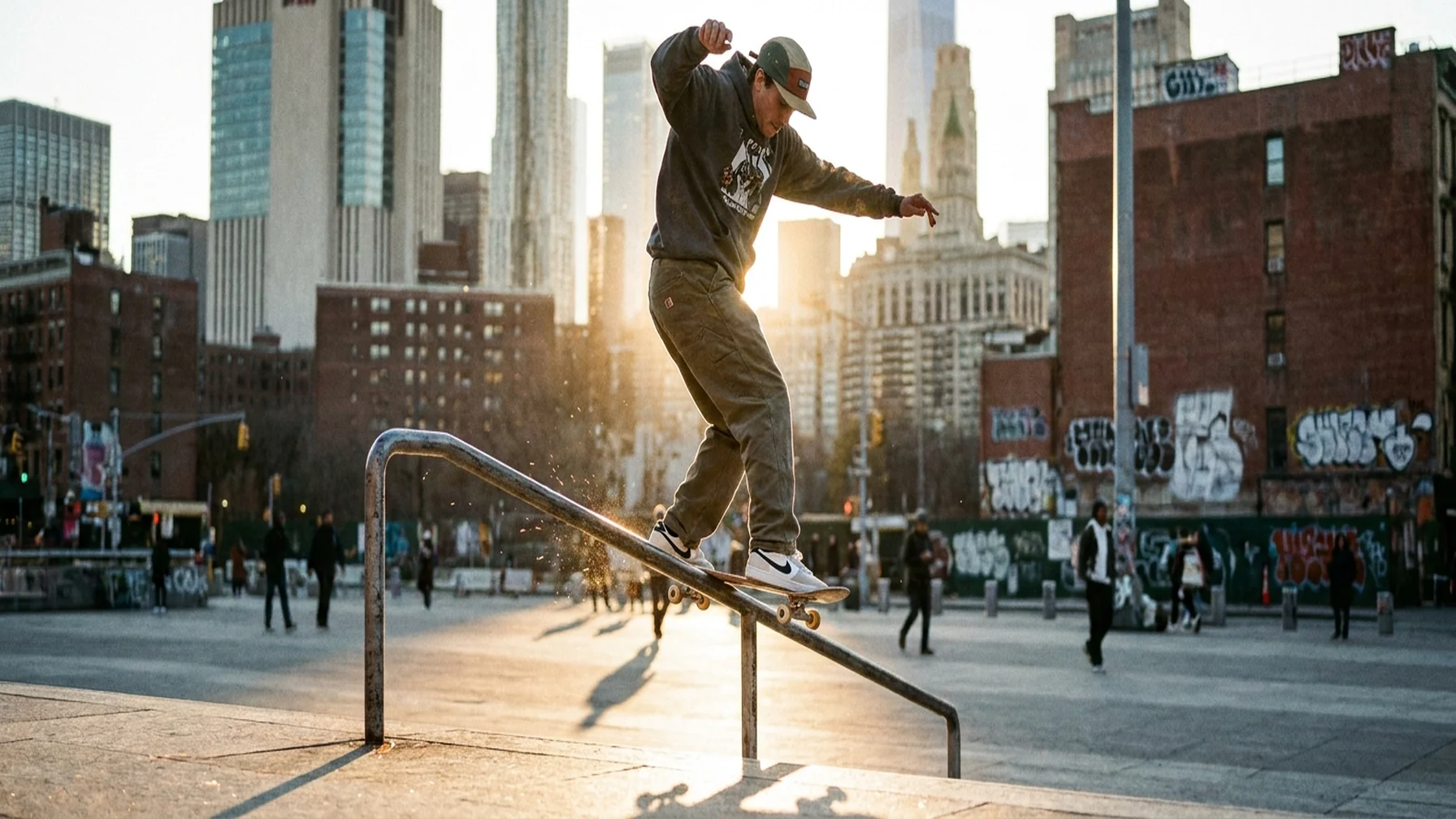
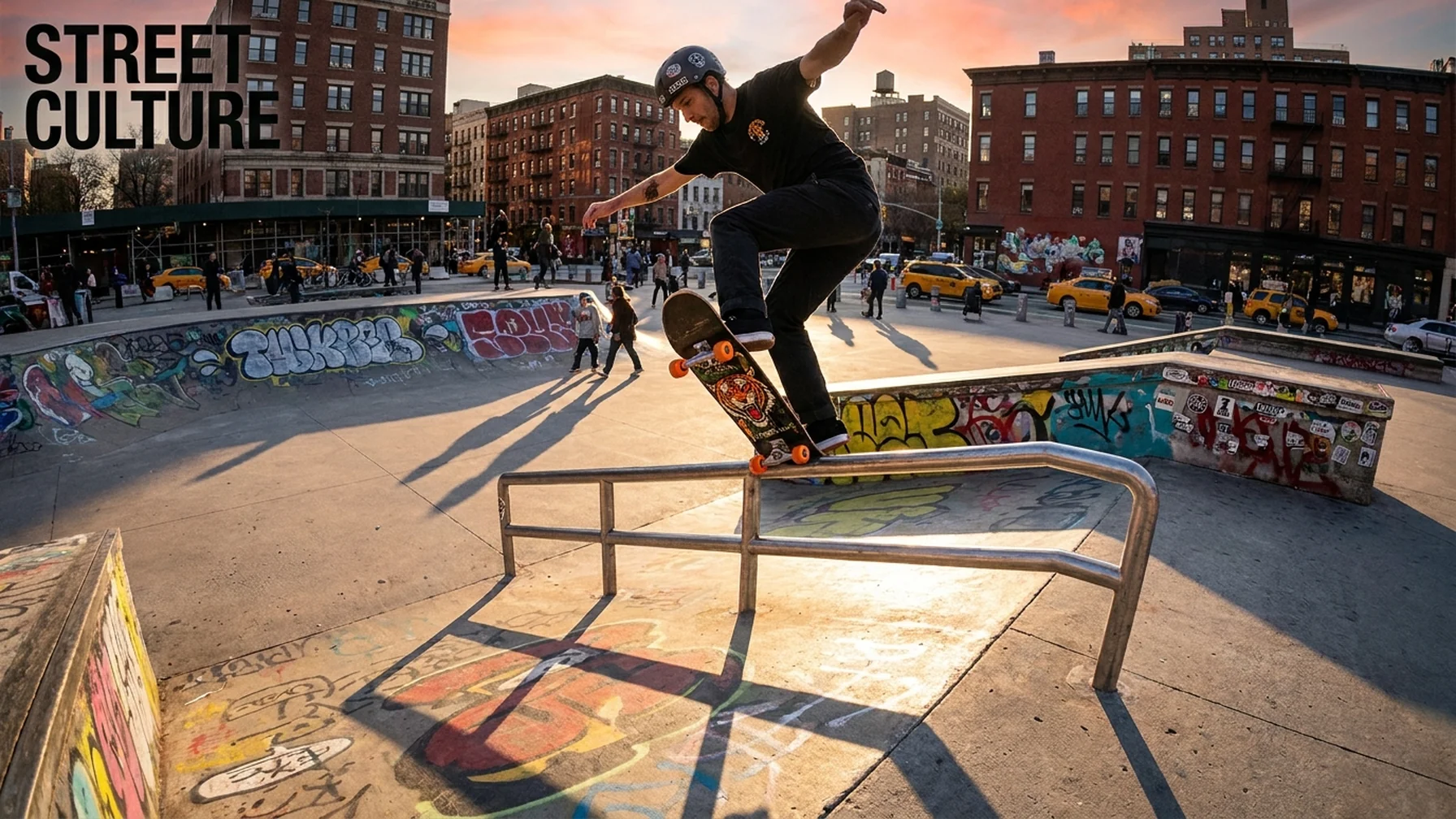
- 50-50 Grind: Approach a rail and ollie onto it, balancing with both trucks on the rail.
Practice these tricks regularly, as consistency is key to mastering them.
Maintaining Your Skateboard
Regular maintenance keeps your skateboard in top condition. Here's how:
- Check the tightness of your trucks and adjust as needed.
- Clean the bearings to ensure smooth wheel rotation.
- Inspect the deck for any cracks or damage.
Keeping your skateboard well-maintained prolongs its life and ensures optimal performance.
Building Confidence in Skateboarding
Confidence is crucial to enjoying skateboarding. Here are some tips to build it:
- Start small and gradually increase the difficulty of your tricks.
- Practice regularly and focus on your progress rather than perfection.
- Skate with friends who motivate and support you.
By following these steps, you'll find yourself gaining confidence and enjoying skateboarding more with each session.
Common Mistakes to Avoid
Learning from mistakes is part of the process. Here are some common ones to watch out for:
- Not wearing safety gear, which can lead to avoidable injuries.
- Skipping foundational tricks, which can hinder your progression.
- Ignoring maintenance, which can result in equipment failure.
Avoiding these mistakes will help you have a safer and more enjoyable skateboarding experience.