Contents
Welcome to the world of skateboarding! Whether you're inspired by skateboarding legends or just curious about trying something new, diving into the basics is the perfect place to start. Skateboarding is not just a sport; it's a lifestyle and a form of self-expression that has captured the imagination of millions around the globe. From city streets to skate parks, this guide will walk you through the essential beginner basics, covering tricks, gear, and progression in street skating. By the end of this guide, you'll have a solid foundation to build upon and the confidence to explore the exhilarating world of skateboarding.
Choosing the Right Gear to Get Rolling
Before hitting the pavement, let's talk gear. The right skateboard setup makes a world of difference, especially for beginners. Here's what you need to consider:
- Deck: Choose a deck that's the right size for your height and shoe size. Wider decks offer more stability, which is great for beginners. A good starting point is a deck width between 7.75" and 8.25".
- Trucks: These are the metal parts that connect the wheels to the deck. Make sure they're not too tight or too loose; you'll want enough movement to turn without wobbling. A good rule of thumb is to match the truck width to your deck width.
- Wheels: Softer wheels provide a smoother ride on rough surfaces, while harder wheels are better for tricks. Beginners might prefer wheels with a durometer between 78A and 87A for a comfortable ride.
- Safety Gear: Helmets, knee pads, and elbow pads are essential for protecting yourself from falls. Always prioritize safety as you start practicing new skills.
Investing in good quality starter gear can enhance your learning experience and keep you safe as you build confidence on your board. For instance, a beginner might choose a complete skateboard package, which includes all components, pre-assembled for convenience.
Mastering the Basics: Starting with Simple Tricks
Now that you're geared up, it's time to learn some basic tricks. These tricks serve as the foundation for more complex maneuvers down the road. Let's take a closer look at each trick:
- Ollie: The ollie is the first trick you should learn. It involves popping the board off the ground with a jump. Focus on timing your foot movement and body position to lift both you and the board into the air. Mastering this will open the door to more advanced tricks.
- Shuvit: This trick involves spinning the board 180 degrees under your feet. It's a fun way to gain control and confidence. Start by practicing the motion with stationary feet before attempting it while moving.
- Kickturn: Practice turning your board by lifting the front wheels off the ground and pivoting in place. This is crucial for navigating obstacles and ramps. Once comfortable, incorporate kickturns into your riding to maneuver smoothly through tight spots.
Start practicing these tricks on a flat, smooth surface. Remember, practice makes perfect, so don't rush the process. Beginners often find that practicing in a controlled environment, like a driveway or empty parking lot, helps build confidence before hitting the skate park.
Progressing to Grinds and Rails
Once you've got the basics down, it's time to step up your game by exploring grinds and rails. These are common in street skating and add an exciting challenge to your skill set.
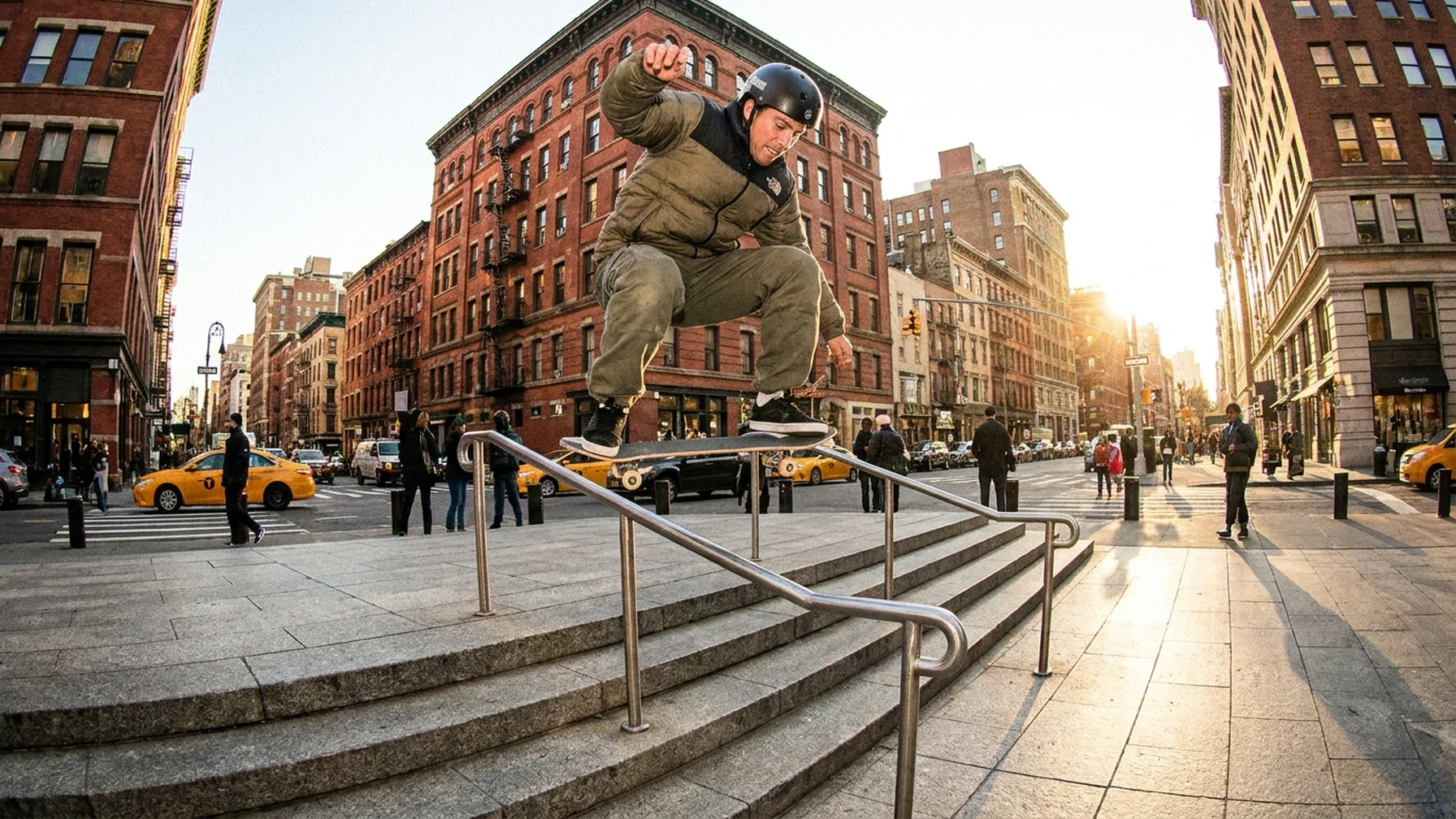
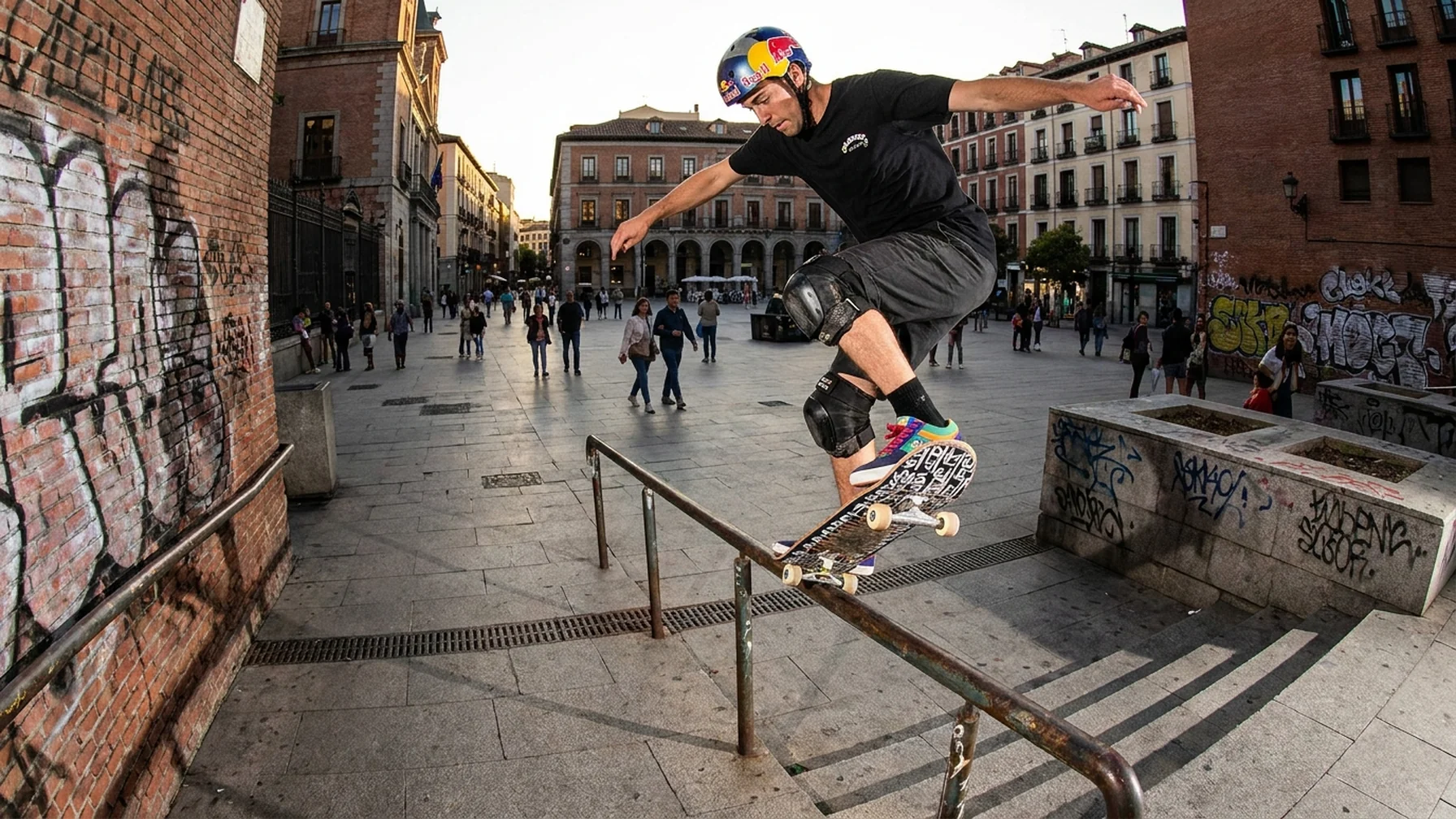
Begin with simple grinds on low rails or curbs. The 50-50 grind is a great starting point. It involves balancing on both trucks while sliding along a rail or ledge. When you feel ready, experiment with more advanced grinds like the 5-0 grind, where you balance on one truck. Remember to approach the rail with enough speed to maintain momentum, but not so fast that you lose control.
Take your time with these. Grinds require good balance and control, so practice on safer, lower surfaces first. As you gain confidence, try different angles and approaches to see what works best for you.
Street Skating: Navigating the Urban Playground
Street skating is all about creativity and using urban environments to your advantage. To get started, find a safe location like a skate park or an area with low traffic. Here are a few tips:
- Scout the area for potential obstacles and plan your lines. Look for features like benches, stairs, and ledges that can be integrated into your runs.
- Practice ollies and kickturns to get comfortable with jumping and turning on concrete. This will help you adapt to different surfaces and conditions.
- Work on timing and precision to land tricks smoothly. Pay attention to your foot placement and body posture while executing tricks.
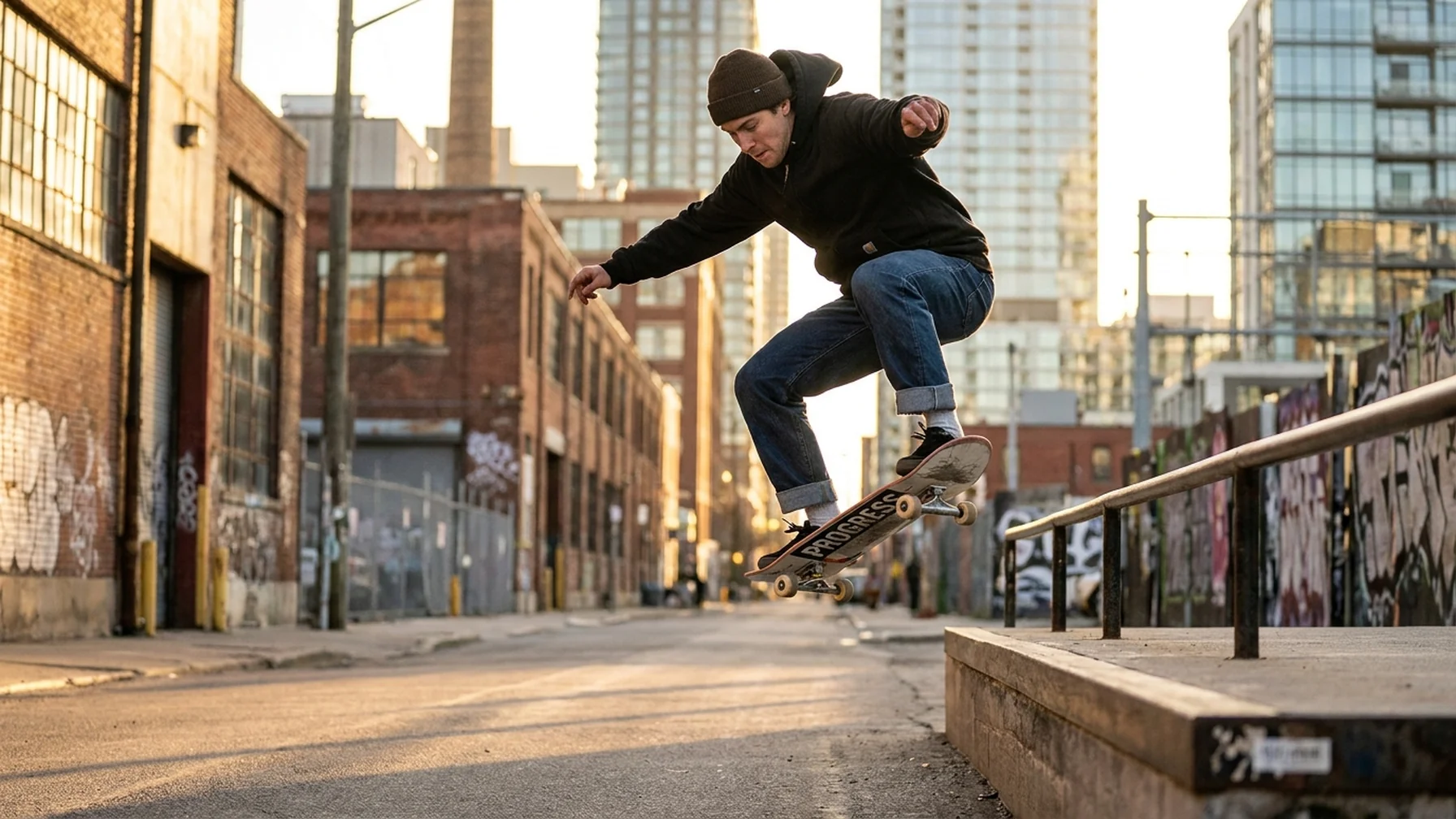
Street skating is as much about style as it is about skill. Let your personality shine through as you explore new spots and develop your unique skating style. Many skaters find inspiration in the diverse architecture of cities, transforming everyday spaces into their personal skateparks.
Building Confidence and Enjoying the Ride
Skateboarding is a journey, not a destination. Celebrate small victories and don't get discouraged by falls—they're all part of the learning process. Here are a few final tips to keep in mind:
- Skate with friends to stay motivated and learn from each other. Sharing experiences and tips can accelerate your progress.
- Watch videos of professional skaters for inspiration and technique tips. Analyzing their movements can provide new ideas and approaches to tricks.
- Set achievable goals and track your progress over time. Documenting your journey can be a great motivator and show how far you've come.
Above all, have fun! The joy of skateboarding comes from the freedom it offers and the community it builds. So, lace up those shoes, grab your board, and enjoy the ride! Remember, every skater started as a beginner, and with time and practice, you'll find your place in this exciting and welcoming community.