Best Gear for Street Skating: Essential Tips and Equipment
Contents
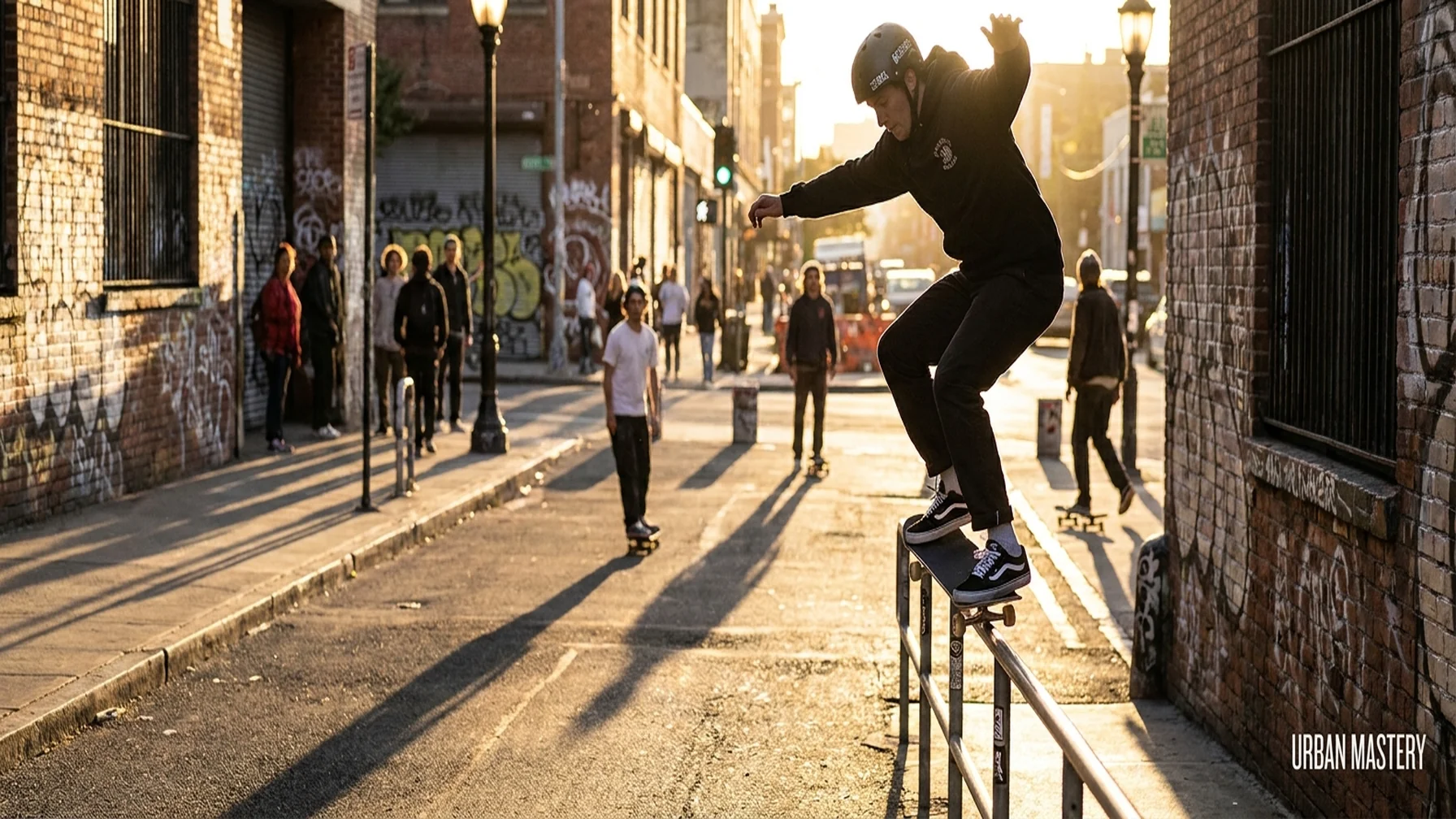
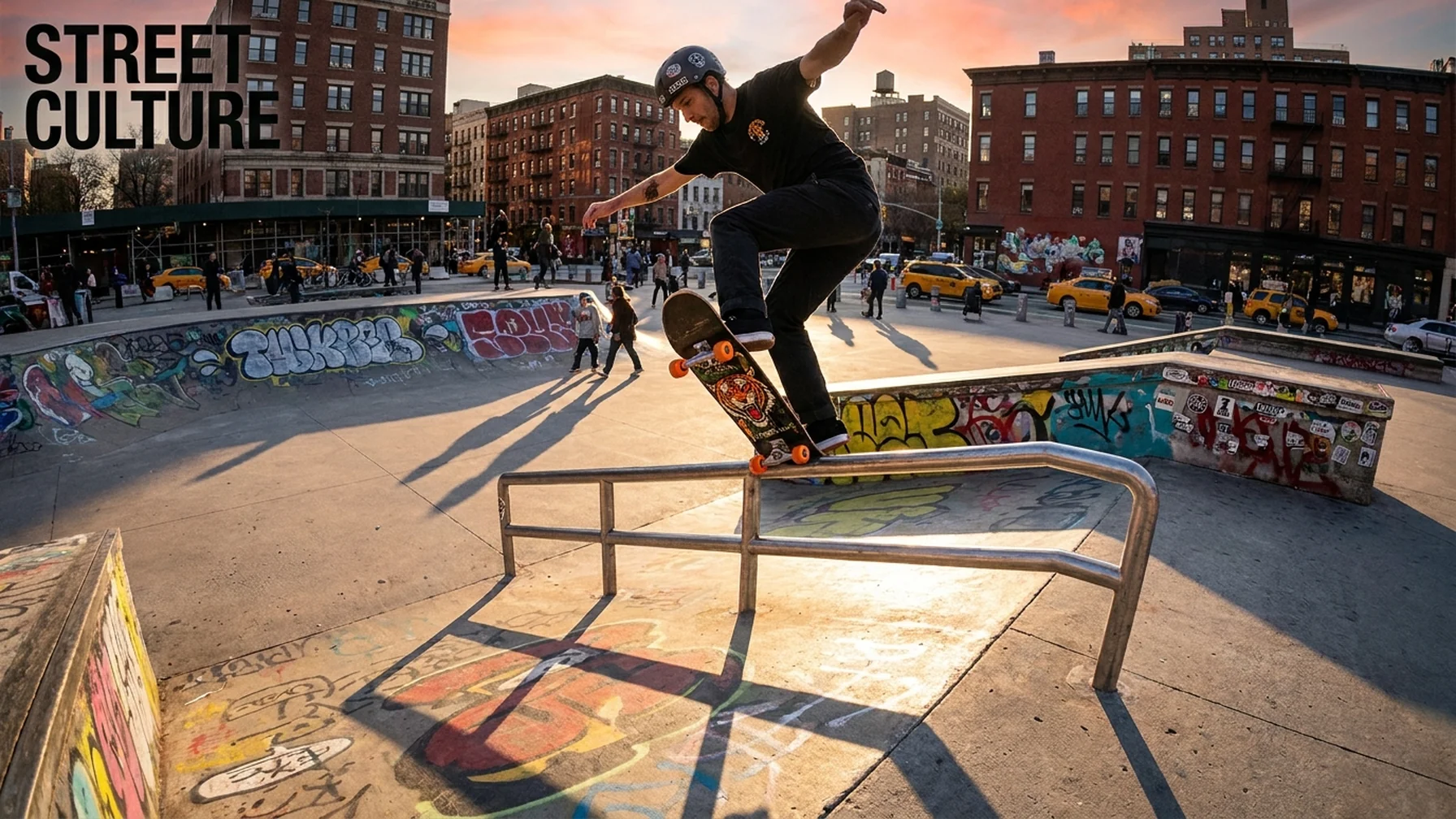
Street skating is an exciting form of skateboarding that involves tricks, grinds, and maneuvers on urban landscapes. This adventurous activity requires skill, practice, and the right gear to ensure safety and performance. Choosing the best gear for street skating can greatly enhance your experience, whether you're learning a new trick or perfecting your skills. This guide will explore the essential gear choices to help you skate with confidence and style. Understanding the right equipment will not only boost your performance but also protect you as you skate. Let's delve into the must-have gear for street skating and what makes each piece crucial.
Choosing the Right Skateboard Deck
For newcomers to street skating, selecting a skateboard that offers stability and control is vital. A wider deck provides better balance, and softer wheels offer a smoother ride on rough surfaces. For instance, beginners often find that a board with a medium concave deck makes it easier to learn tricks like the ollie and kickflip. Reputable brands such as Element or Powell-Peralta often feature beginner-friendly designs, balancing performance with ease to help new skaters develop their skills.
Skateboarding Safety Gear Explained
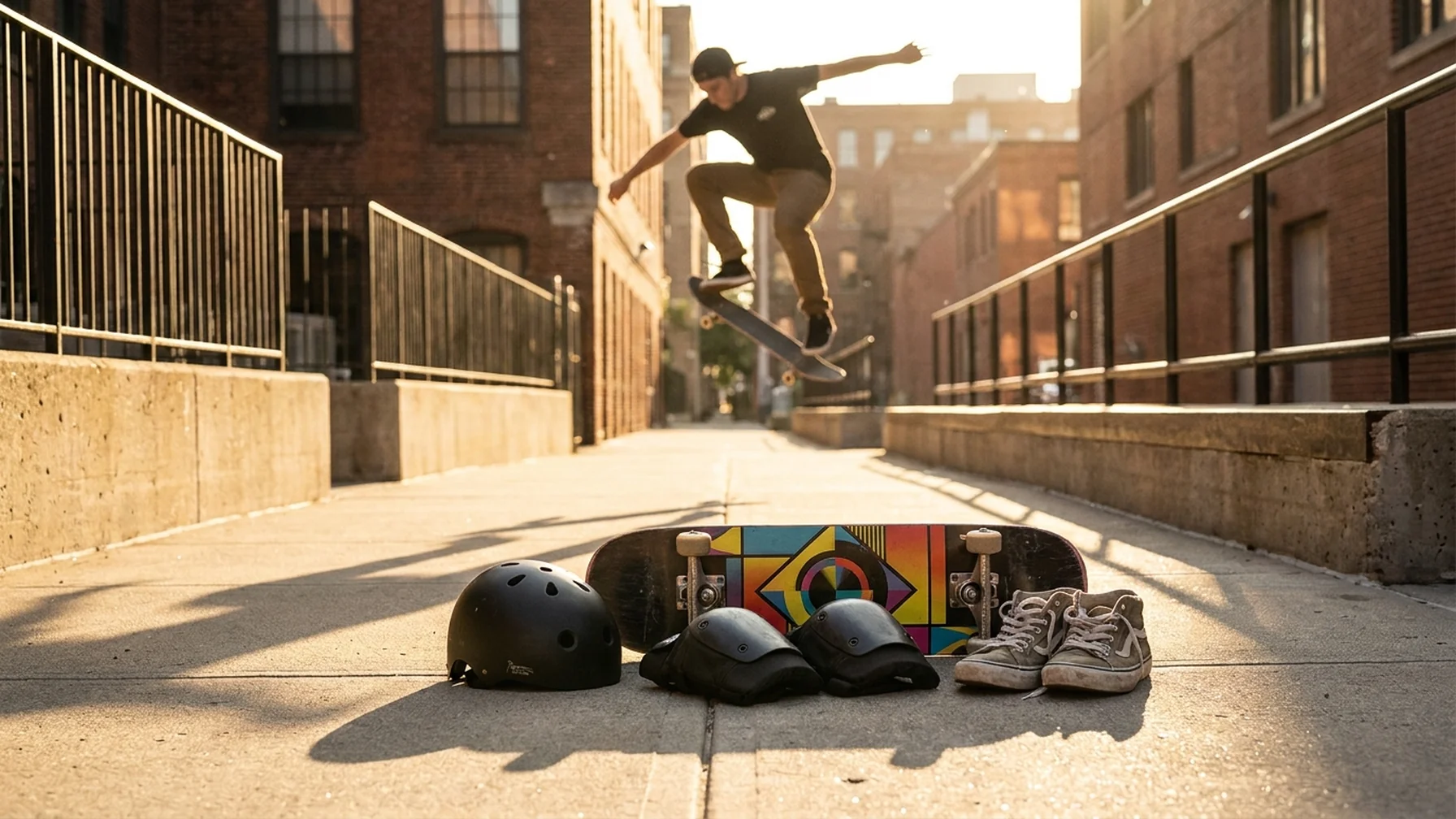
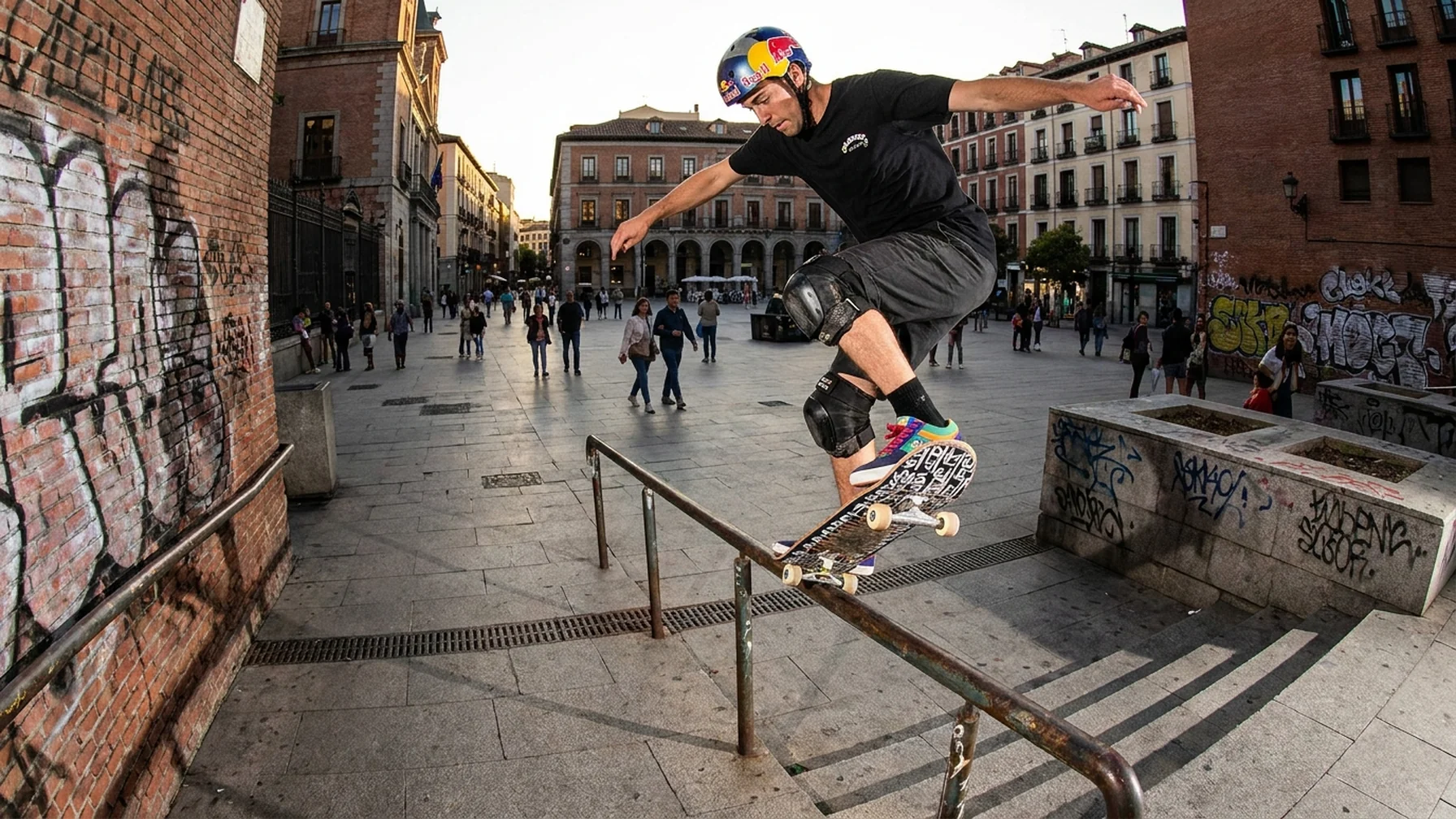
Safety should be the top priority in street skating. Essential protective gear includes helmets, knee pads, elbow pads, and wrist guards. A high-quality helmet is crucial as it protects your head from impacts. Pads and guards safeguard your joints from common scrapes and bruises. For example, a skater attempting a trick without knee pads might suffer painful scrapes, while those with proper gear walk away unscathed. Consistently wearing safety gear reduces injury risk and boosts confidence on the board.
Having the right gear can significantly impact performance and safety. Below is a table outlining some top gear options to enhance your skating experience.
Recommended Gear Options
| Gear Type | Recommended Brands |
|---|---|
| Skateboard Deck | Element, Almost, Baker |
| Trucks | Thunder, Independent, Krux |
| Wheels | Spitfire, Bones, OJ |
| Bearings | Spitfire, Bones Swiss, Reds |
| Protective Gear | Triple Eight, Pro-tec, 187 Killer Pads |
This table provides a quick reference to some essential gear that street skaters should consider when building their setup. Whether you're a beginner or an experienced skater, quality equipment can improve your performance while keeping you safe. Investing in good gear is key to elevating your street skating game.
Steps to Equip Yourself for Street Skating
Here are the essential steps to ensure you have the best equipment for your street skating adventures:
- Choose the right skateboard deck that suits your style and preferences.
- Select high-quality trucks for stability and support during tricks.
- Invest in durable wheels that provide a good grip on various surfaces.
- Protect yourself with a comfortable helmet and knee pads.
- Consider adding grip tape for better foot control on your skateboard.
By following these steps and investing in quality gear, you'll be well-equipped to enjoy street skating while minimizing injury risk and maximizing your skating experience.
How to Choose Skateboard Wheels
Skateboard wheels' size and hardness significantly affect your ride. For street skating, wheels between 50-54mm offer maneuverability and speed. A durometer around 99A provides the hardness needed for tricks while maintaining grip on concrete. For example, a skater seeking speed might choose harder wheels for greater momentum, while another prefers softer wheels for better control in tight spaces. Your choice should reflect your skating style and terrain preferences.
Understanding Skateboard Deck Materials
Skateboard decks are typically made from maple wood layers, known for their strength and flexibility. Some incorporate materials like fiberglass or carbon fiber for added durability and lighter weight. A deck's material can influence performance: a skater performing high-impact tricks might choose a sturdy maple deck, while another focusing on agility might opt for a lighter carbon fiber option. Understanding these materials helps skaters select a deck that matches their style and trick repertoire.
Essential Skateboarding Tricks to Learn First
Beginners should start with foundational tricks to build confidence and skills. The ollie is the fundamental move for many tricks, followed by the kickflip and the 50-50 grind. A skater learning the ollie first finds it easier to progress to more complex tricks. These foundational moves teach balance, timing, and control, which are essential for advancing in street skating. Practicing these tricks consistently helps new skaters develop a solid skill set.
Best Skate Shoes for Grip
The right skate shoes can significantly impact performance. Look for shoes with grippy soles made of gum rubber for better board feel and control. Reinforced toe caps and padded collars add durability and comfort. A skater choosing shoes designed specifically for skateboarding, such as those from Vans or DC, finds enhanced grip and support, which are essential for executing tricks and maneuvers on the street.
How to Overcome Fear in Skateboarding
Fear is a common hurdle when attempting new tricks. Begin by practicing in a comfortable, familiar environment. Break tricks down into smaller, manageable steps, and visualize successful attempts. A real-life example is a skater overcoming fear by practicing with friends, gradually building confidence through positive reinforcement. Using protective gear and persistence helps skaters push past mental barriers, making fear a manageable challenge.
Maintaining Your Skateboard
Regular maintenance is key to keeping your skateboard performing at its best. Check and tighten trucks, replace worn-out wheels, and clean bearings regularly. A skater who routinely maintains their board prevents accidents and enhances their skating experience. Understanding how to upkeep your board extends its lifespan and ensures optimal performance, a crucial practice for any dedicated skater.
Street Skating vs. Park Skating: Key Differences
Street skating involves performing tricks on urban obstacles like stairs and rails, while park skating takes place in designed skate parks with ramps and bowls. Each style offers unique challenges and thrills. For example, a skater navigating uneven surfaces in street skating develops adaptability, whereas park skating emphasizes flow and transition skills. Both styles enhance a skater's versatility and creativity, offering different avenues for expression.
Equipped with the right gear and knowledge, street skating becomes a rewarding pursuit. By choosing the best skateboard, mastering essential tricks, and maintaining your gear, you'll enjoy the dynamic world of street skating with confidence and style.