How to Master Street Skating: A Step-by-Step Guide
Contents
Street skating is an exciting and expressive form of skateboarding. To master street skating, you'll need to refine your skills, understand your gear, and build confidence. This guide provides a comprehensive approach to mastering street skating, covering essential tricks, gear selection, and safety tips.
Foundational Skateboarding Tricks
Building a solid foundation is crucial for mastering street skating. Start with these basic tricks to gain confidence and improve your balance:
- Ollie: This is the launchpad for many tricks. Crouch, pop the tail with your back foot, and slide your front foot up the board.
- Kickflip: Begin with an ollie, flick your front foot to spin the board, and land back on it smoothly.
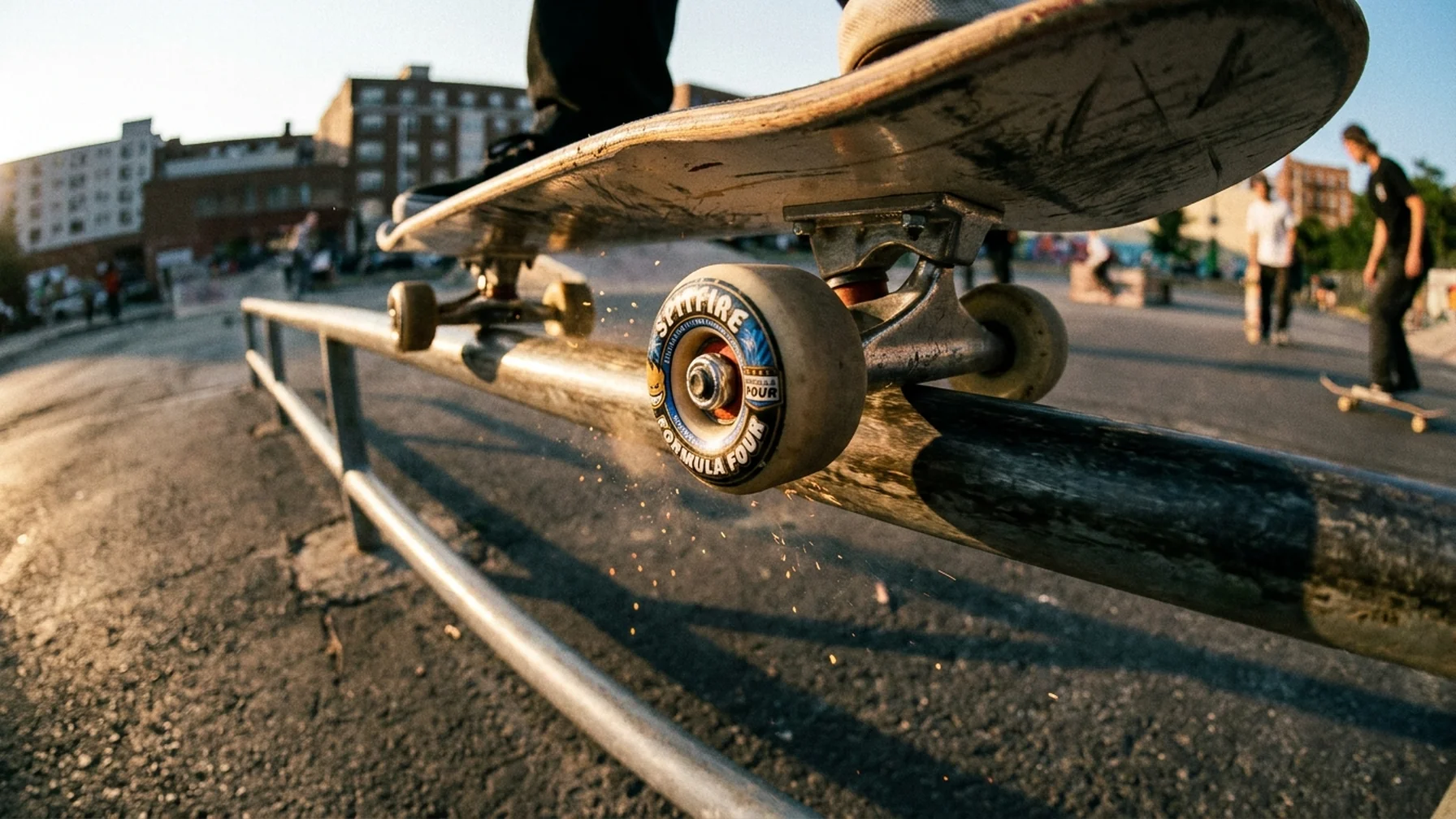
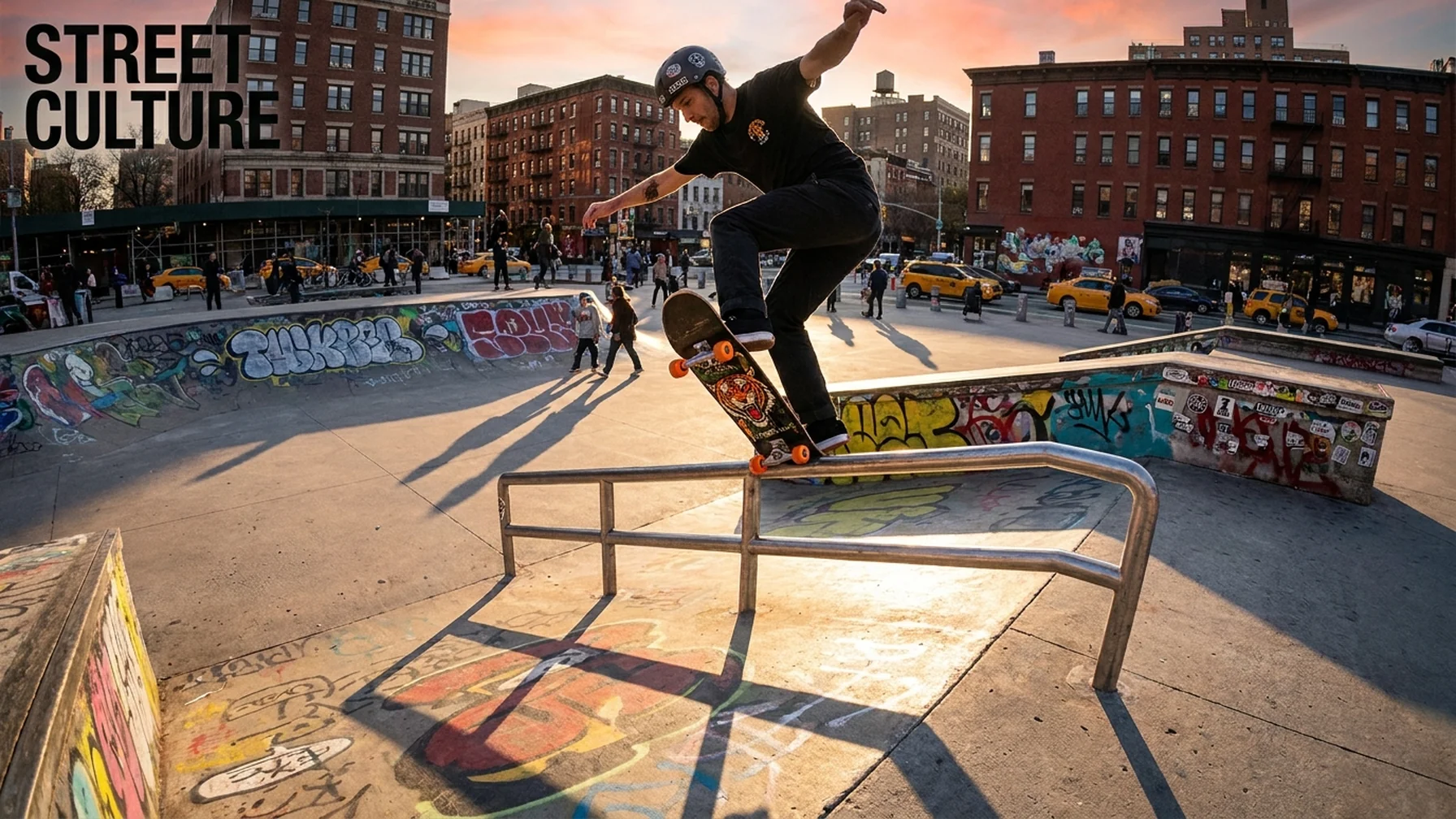
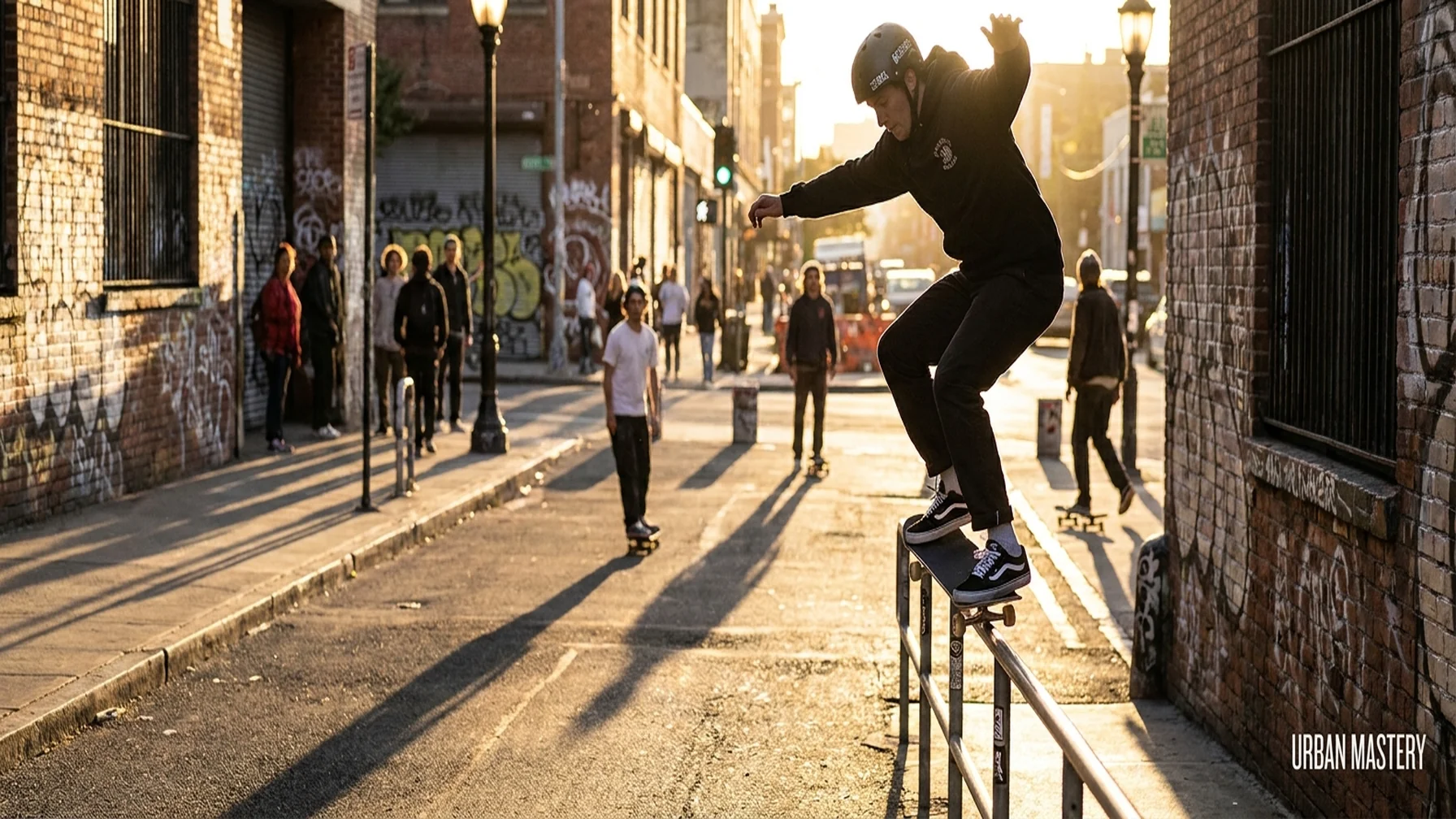
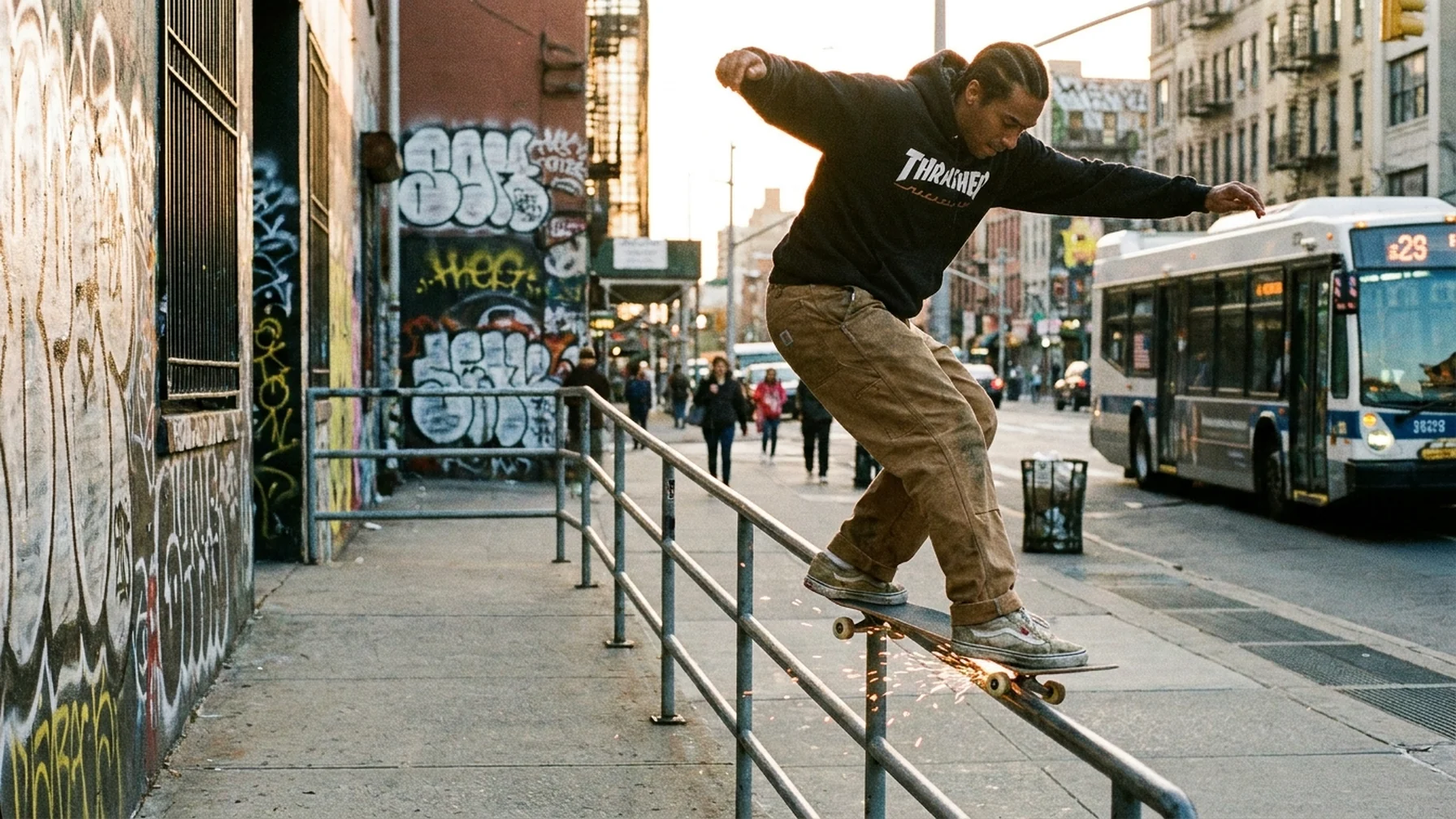
- 50-50 Grind: Approach a rail or ledge, pop an ollie, and land both trucks on the obstacle. Balance is key.
Practicing these tricks on flat ground will build your confidence and prepare you for more complex obstacles.
Choosing the Right Skateboard
Having the right skateboard is essential for beginners. Here are some tips on selecting your gear:
- Deck Size: Opt for a deck width between 7.5 and 8.25 inches. This size offers a balance between control and stability.
- Wheels: For street skating, choose wheels with a diameter of 50-54mm and a durometer of 95A-101A.
- Shoes: Wear skate shoes with flat soles and ample grip for better board control.
The right equipment can significantly impact your learning curve and overall experience.
Mastering the Ollie
The ollie is pivotal in street skating as it forms the basis for many tricks. Follow these steps to perfect your ollie:
- Crouch down and prepare to pop the tail of the skateboard with your back foot.
- As you pop, slide your front foot up the board to lift it into the air.
- Focus on timing and foot placement to achieve a clean ollie.
Consistent practice will enhance your technique and build muscle memory.
Safety Gear and Maintenance
Safety should always be a priority. Equip yourself with the following protective gear:
- Helmet
- Knee pads
- Elbow pads
- Wrist guards
Regular skateboard maintenance is also crucial. Check and tighten your trucks, clean your bearings, and inspect the deck for cracks to ensure optimal performance.
Understanding Skateboard Components
Familiarize yourself with the key components of a skateboard to make informed choices:
| Component | Description |
|---|---|
| Deck | Typically made from maple wood, provides the platform for tricks. |
| Wheels | Available in various sizes and hardness, affecting speed and grip. |
| Trucks | Metal axles that connect wheels to the deck, pivotal for turning. |
| Bearings | Allow the wheels to spin, impacting ride smoothness. |
Understanding these components helps in customizing your skateboard to suit your style and needs.
Overcoming Fear and Building Confidence
Fear is a common hurdle in skateboarding. Here are strategies to overcome it:
- Start small and gradually increase the difficulty of tricks.
- Visualize the trick and break it down into manageable steps.
- Use positive reinforcement and protective gear to boost confidence.
With time and practice, you'll build the confidence needed to tackle more challenging tricks and obstacles.
Street Skating Techniques and Tips
Street skating requires adaptability to various environments. Follow these tips to enhance your skills:
- Practice in different urban terrains to improve balance and coordination.
- Watch videos of professional skaters to learn new moves and styles.
- Skate with friends for motivation and constructive feedback.
These techniques will help you become a proficient street skater, ready to tackle any urban landscape.
Mastering street skating involves dedication, practice, and the right equipment. By focusing on foundational skills and safety, you'll progress confidently and enjoy the thrill of street skating.