The Ultimate Skateboarding Gear Checklist for Beginners
Contents
Embarking on your skateboarding journey requires more than just a skateboard. Whether you're learning how to grind a rail or perfecting tricks like a kickflip, having the right gear is crucial for safety and progression. This skateboarding gear checklist will guide you through everything you need to get started and advance in skateboarding.
Basic Skateboarding Gear Essentials
Before hitting the street or park, ensure you have all the fundamental gear. These essentials not only enhance your experience but also keep you safe while learning new tricks like ollies and 50-50 grinds.
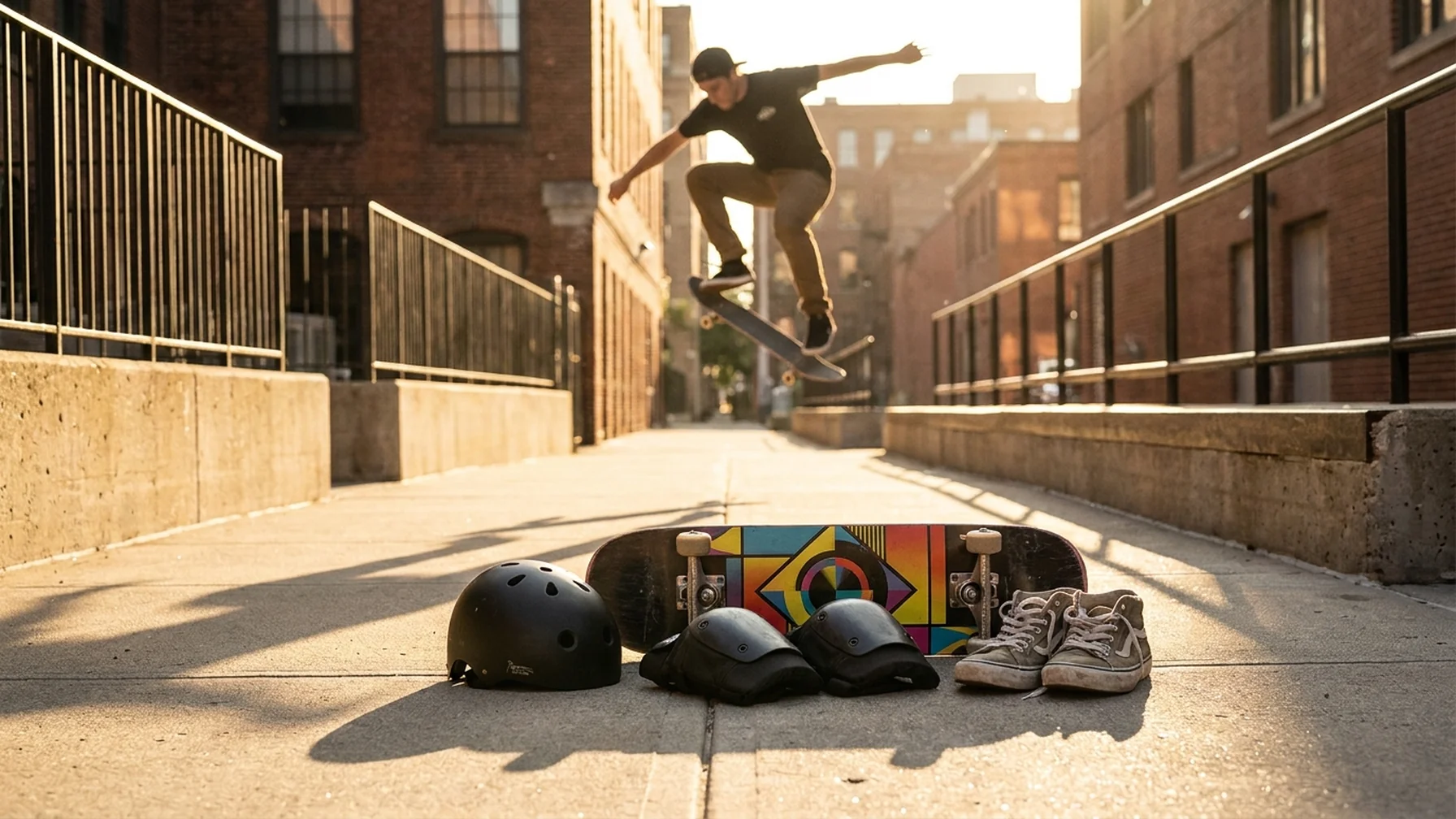
- Helmet: A must-have for protecting your head from falls.
- Wrist Guards: Prevent wrist injuries during falls.
- Knee Pads: Essential for knee protection, especially when practicing on ramps.
- Elbow Pads: Protects elbows during falls and slides.
- Skate Shoes: Look for shoes with good grip and support.
Safety gear is non-negotiable, especially for beginners. Investing in high-quality protective gear can save you from injuries and build your confidence on the board.
Selecting the Right Skateboard
Choosing the right skateboard is vital for beginners. Here’s what you need to consider:
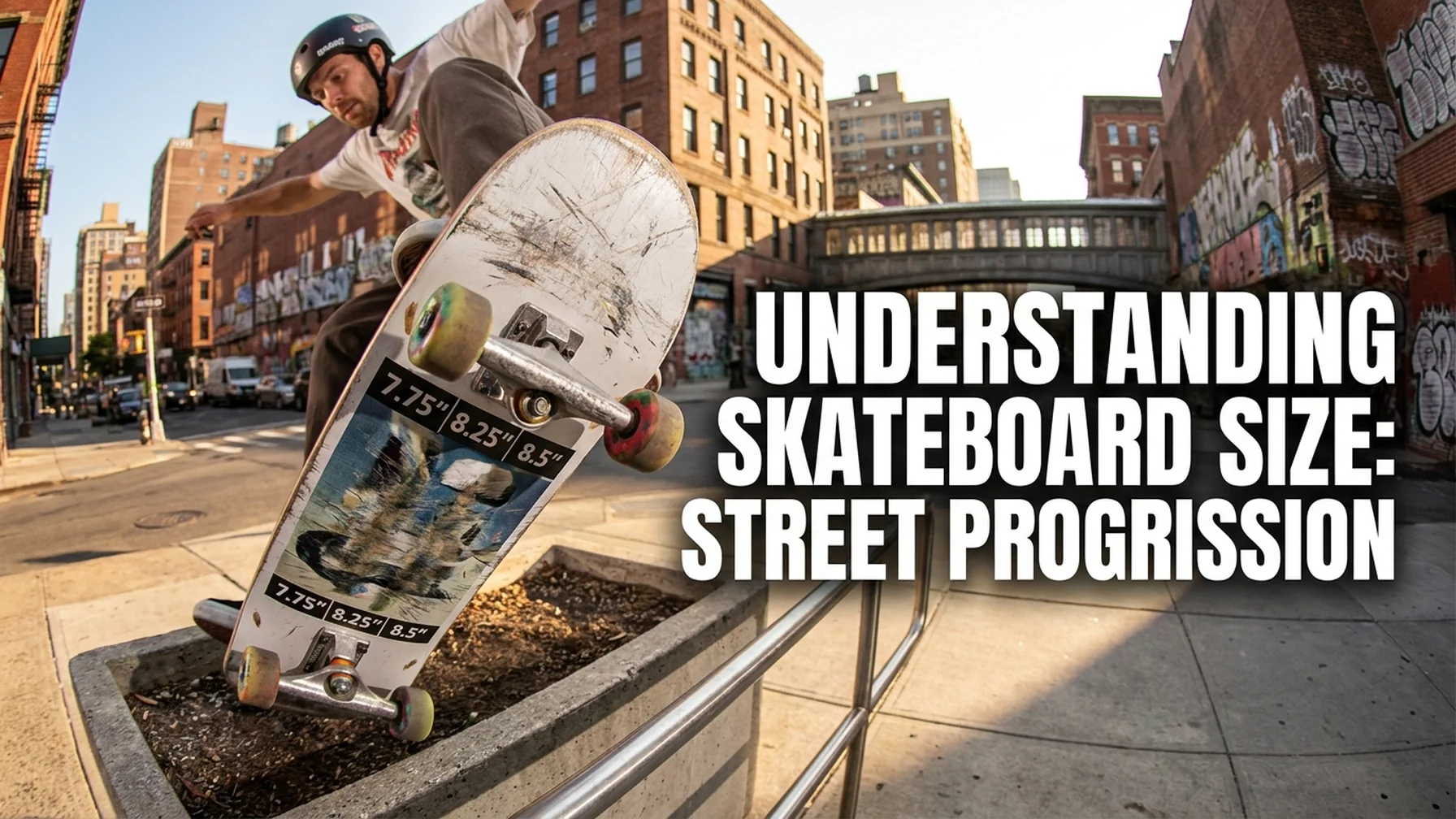
- Skateboard Deck: Opt for a deck width between 7.5” and 8.0” for beginners. Wider decks provide more stability.
- Skateboard Wheels: Softer wheels (78A to 87A) are great for street skating, while harder wheels (88A to 101A) are better for park and trick skating.
- Trucks: Ensure the trucks match the width of your deck. This is crucial for balance and performance.
- Bearings: ABEC ratings can guide you, with higher numbers indicating smoother bearings.
When starting out, it's best to choose a complete skateboard that matches your body size and skating style. As you progress, you can customize each component to better suit your needs.
How to Maintain Your Skateboard
Regular maintenance is key to keeping your skateboard in top condition. Follow these steps to ensure your board is always ready for action:
- Check and Tighten Nuts and Bolts: Regularly inspect your trucks and wheels for loose parts.
- Clean Your Bearings: Remove dirt and grime to keep your wheels spinning smoothly.
- Inspect Deck for Cracks: Check for signs of wear and replace if necessary to prevent breaks.
- Rotate Wheels: Ensure even wear by rotating your wheels every few months.
Consistent maintenance not only extends the life of your skateboard but also ensures a safer and smoother ride.
Skateboarding Tricks for Beginners
Once you have your gear and board ready, it's time to start learning tricks. Here are some beginner-friendly tricks to try:
- Ollie: The foundation of many tricks, practice popping the board and leveling it in the air.
- Kickflip: Master the ollie first, then learn to flick the board with your front foot.
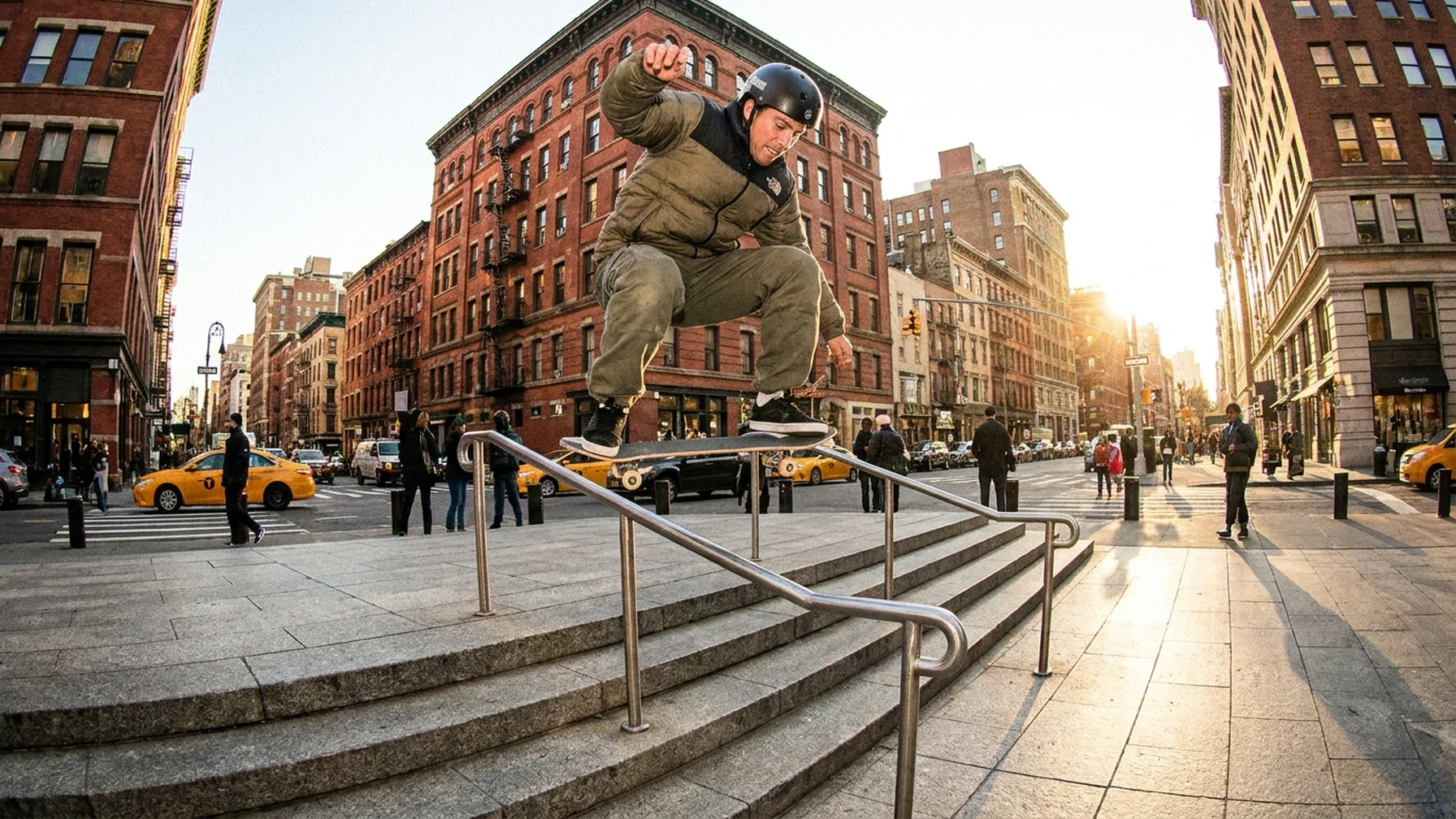
- 50-50 Grind: Approach a rail or curb, ollie onto it, and balance on both trucks.
- Drop-In: Learn to drop in on ramps by committing to the motion and maintaining balance.
Practicing these tricks will not only improve your skills but also build your confidence on the board.
Building Confidence and Overcoming Fear
Skateboarding can be intimidating, especially when trying new tricks. Here’s how to build confidence and overcome fear:
- Start Small: Practice in a safe environment where you feel comfortable.
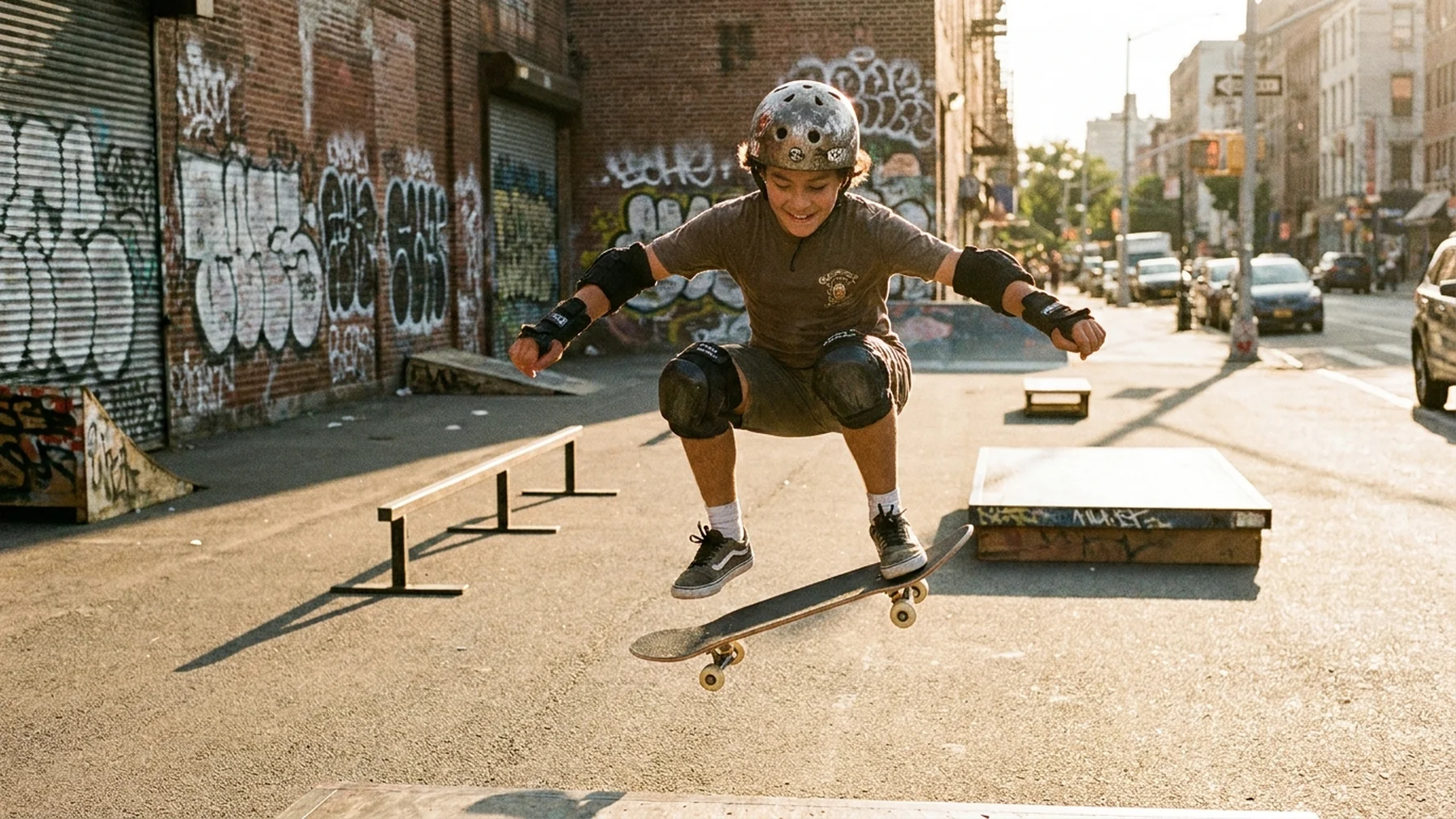
- Wear Protective Gear: Knowing you're protected can reduce anxiety and fear of falling.
- Set Achievable Goals: Break down tricks into smaller steps and celebrate small victories.
- Practice Consistently: Regular practice helps improve skills and boost confidence.
Remember, progress takes time. Be patient with yourself and enjoy the journey of learning and mastering skateboarding.
Street Skating vs. Park Skating
Understanding the differences between street and park skating can help you decide where to focus your efforts:
- Street Skating: Involves tricks on urban obstacles like stairs, rails, and curbs. Requires adaptability and creativity.
- Park Skating: Takes place in skateparks with ramps, bowls, and half-pipes. Offers a more controlled environment for learning tricks.
Both styles have their unique challenges and benefits. Trying both can diversify your skills and increase your overall skating proficiency.
With the right gear and a solid understanding of skateboarding basics, you're well on your way to becoming a confident and skilled skater. Keep practicing, stay safe, and have fun on your skateboarding journey!