Understanding Skateboard Size: Choosing the Right Fit
Contents
When starting your skateboarding journey, understanding skateboard size is crucial for developing skills and comfort. The size of your skateboard can significantly influence your performance, whether you're learning how to ollie correctly or mastering tricks like the 50-50 grind. A well-sized skateboard enhances control, stability, and ease of maneuvering, making it essential for both beginners and seasoned skaters. In this guide, we will delve into the factors that affect skateboard size selection, helping you make an informed decision and enjoy your skateboarding experience to the fullest. Let's explore how to select the right skateboard size for you.
What Skateboard Size Do I Need?
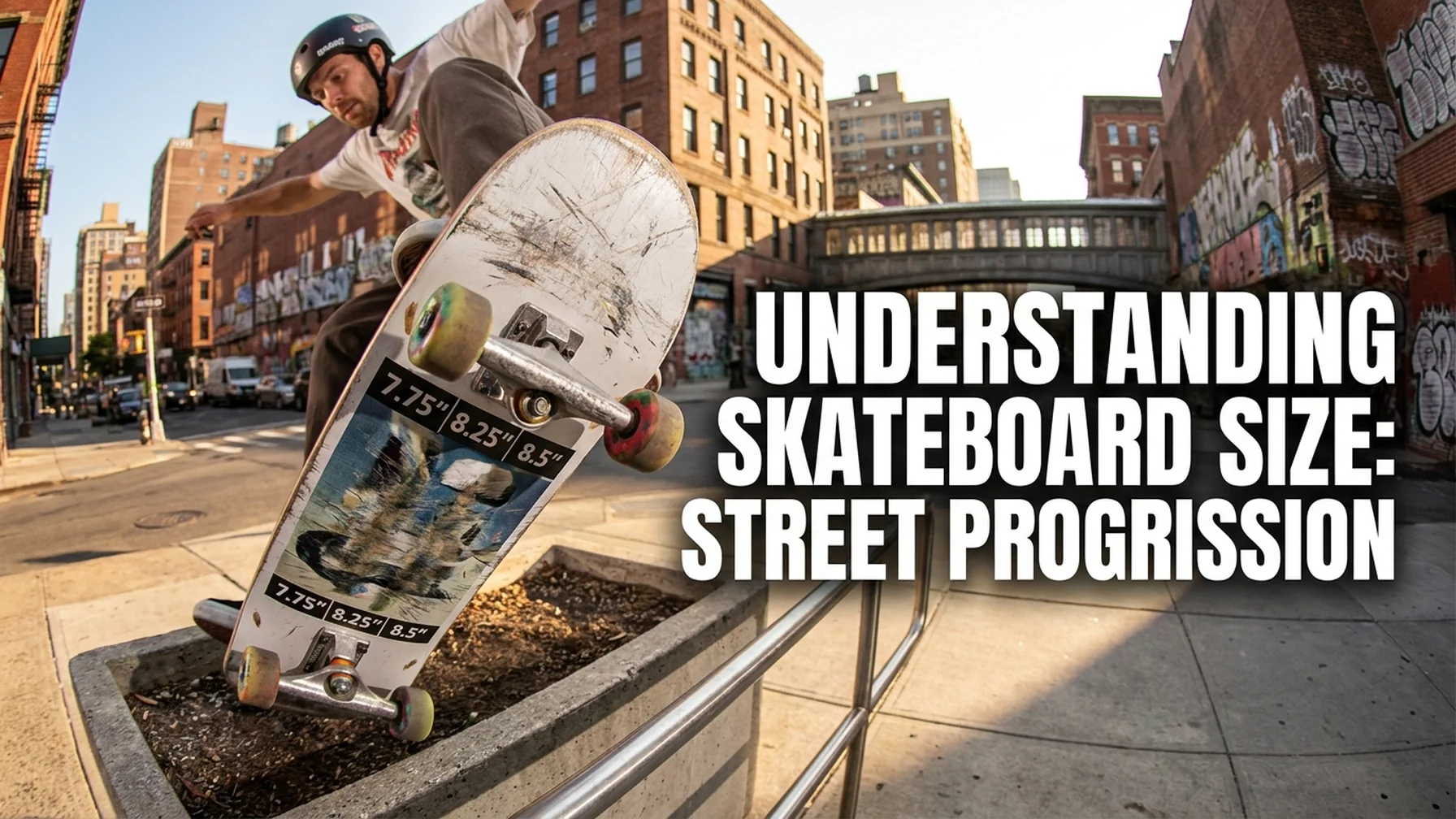
Choosing the right skateboard size depends on several factors, including your age, height, shoe size, and skating style. Skateboard decks come in various widths, typically ranging from 7.5 inches to more than 8.5 inches. Here's a quick guideline to help you decide:
- Kids (up to 8 years): Opt for a deck width of 6.5 to 7.0 inches.
- Teens (9 to 12 years): A width of 7.0 to 7.5 inches is ideal.
- Adults: For street skating, choose 7.5 to 8.0 inches. For park or vert, go for 8.0 inches or wider.
The deck width greatly affects stability and maneuverability. Narrow decks are easier to flip, making them suitable for tricks, while wider decks offer more stability. For instance, a teen interested in street skating might prefer a 7.5-inch deck to facilitate tricks, while an adult focusing on vert skating could opt for an 8.25-inch deck for stability.
How to Choose Skateboard Wheels
Skateboard wheels are another key component to consider. They come in different sizes and hardness levels, impacting how your board handles various terrains. Here’s a simple breakdown:
- Wheel Size: Smaller wheels (50-54mm) are great for street skating, while larger wheels (55-60mm) are better for ramps and cruising.
- Wheel Hardness: Softer wheels (78A-87A) are ideal for rough surfaces and cruising, whereas harder wheels (88A-101A) are best for smooth surfaces and tricks.
Consider where you'll be skating most often to choose the best wheels for your board. For example, if you plan to skate on rough asphalt, softer wheels can provide a smoother ride. In contrast, if you're hitting the skate park, harder wheels will offer the speed and control needed for tricks.
Skateboard Deck Materials Explained
The material of your skateboard deck affects its durability and flexibility. Most decks are made from maple wood, providing a good balance of strength and pop. Alternatives include bamboo, which offers flexibility, and fiberglass, which adds strength and lightness. For beginners, a standard maple deck is usually the best starting point. Imagine a scenario where a skater needs a durable deck for rigorous street skating; a maple deck would be ideal due to its resilience and performance features.
Street Skating vs. Park Skating: Impact on Size
The type of skating you prefer also influences your skateboard size. Street skaters often prefer narrower boards for easier flip tricks, while park skaters might lean towards wider boards for stability during vert tricks. Consider your skating goals when choosing your board size. For instance, if you're focusing on street skating and performing ollies, a narrower deck offers the agility needed for quick maneuvers. Conversely, if you're into park skating, a wider deck provides the stability for executing big airs.
How to Set Up a Skateboard
Once you have selected the right size and components, setting up your skateboard is essential. Here’s a step-by-step guide:
- Attach the Trucks: Align the trucks with the pre-drilled holes on your deck and secure them with bolts. Ensure they are tight for stability.
- Install the Wheels: Slide the wheels onto the axles and secure them with nuts. Ensure they spin freely without wobbling.
- Grip Tape Application: Apply grip tape to the top of the deck for added traction. Smooth out any air bubbles for a clean finish.
- Final Adjustments: Tighten or loosen the trucks to your preference for better control. Adjust according to your skating environment, whether it's smooth concrete or rough streets.
Proper setup ensures a smoother ride and better performance, especially for beginners learning basic tricks. Consider a beginner who has just set up their board; a well-adjusted skateboard will make learning ollies and kickflips more manageable, enhancing their confidence as they progress.
Common Skateboarding Mistakes and How to Avoid Them
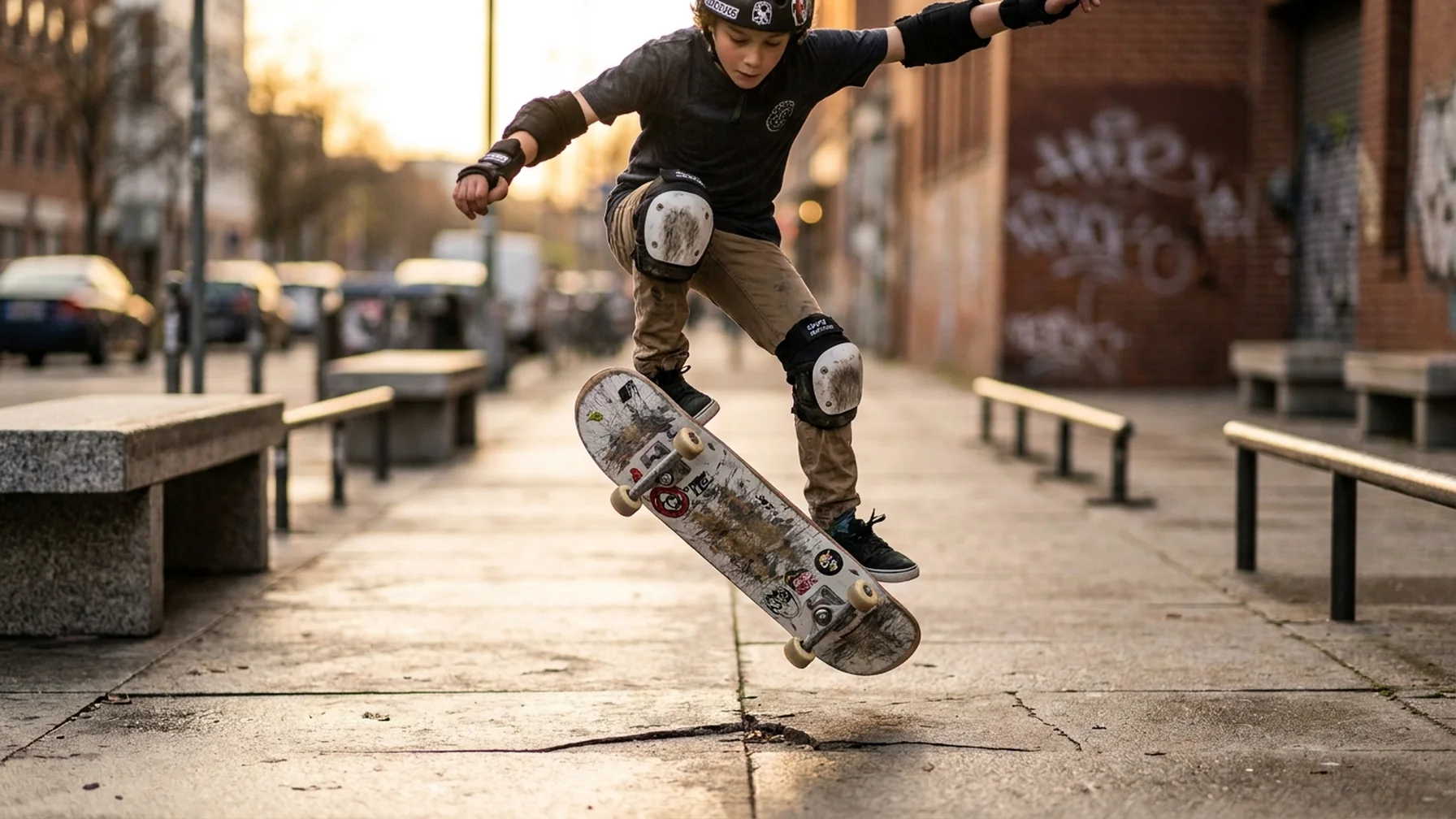
Many beginners make mistakes such as choosing the wrong board size or not wearing protective gear. Always wear a helmet, knee pads, and elbow pads to protect yourself. Additionally, start with basic tricks like the ollie to build confidence before progressing to more complex tricks. A common scenario involves a beginner choosing a board that's too wide, making it difficult to perform tricks. To avoid this, consult guides and professionals for advice based on your skating style. Another mistake is neglecting protective gear, leading to injuries that can be easily prevented with the right equipment.
How to Build Skateboarding Confidence
Confidence is key in skateboarding. Practice regularly to improve your skills and comfort level. Start with familiar environments and gradually challenge yourself with new tricks and terrains. Remember, skateboarding is about persistence and progression. Consider the story of a skater who practiced at their local park every day, gradually moving from simple turns to more complex tricks, illustrating the importance of consistent practice and gradual skill-building.
Understanding skateboard size and selecting the right components can make a significant difference in your skateboarding experience. Whether you're a beginner or looking to refine your skills, having the right setup tailored to your size and style will enhance your ability to perform tricks and enjoy the sport.