The Street vs Park Skating Debate: Understanding the Differences and Making Your Choice
Contents
The "street vs park skating debate" is a lively discussion among skaters everywhere. Each style offers unique challenges and thrills. Understanding these differences can help you decide which style suits your skateboarding journey and personal preferences best. Whether you are drawn to the creativity of street skating or the structured environment of park skating, knowing what each entails will guide your decision. In this article, we will delve into the specifics of both styles to help you make an informed choice, explore essential skills, and highlight the necessary gear for each type.
Street Skating: Embrace the Urban Jungle
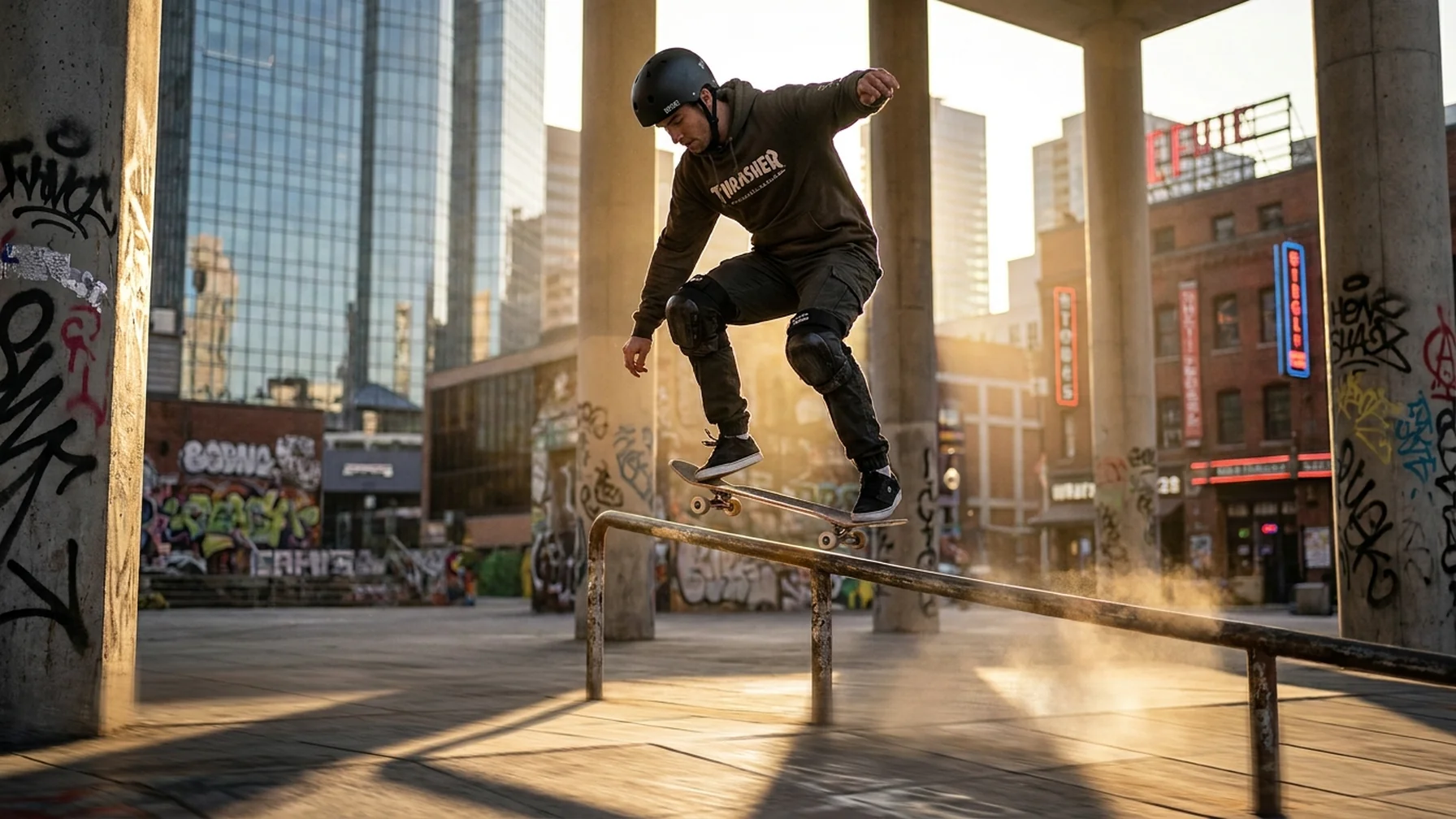
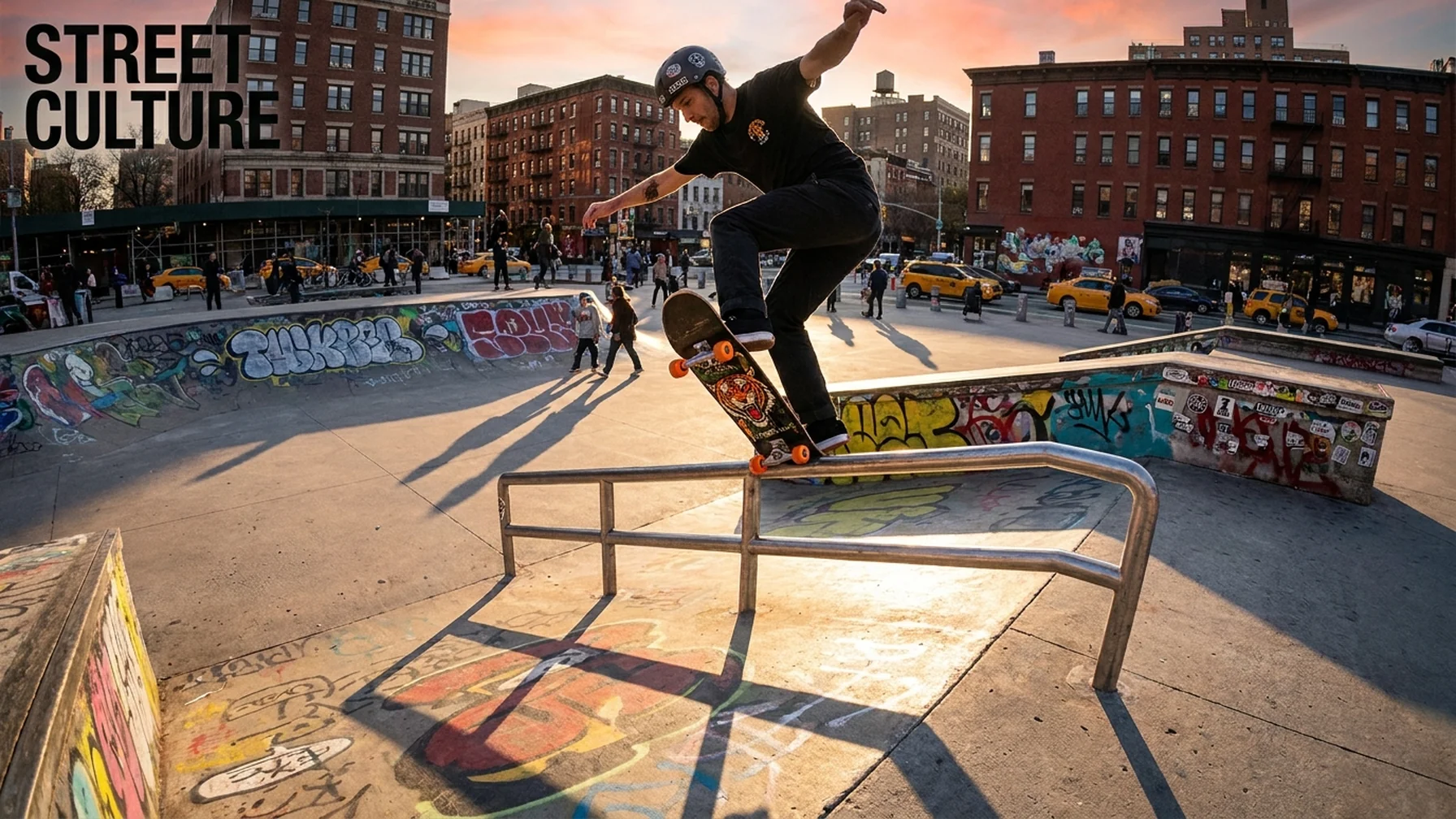
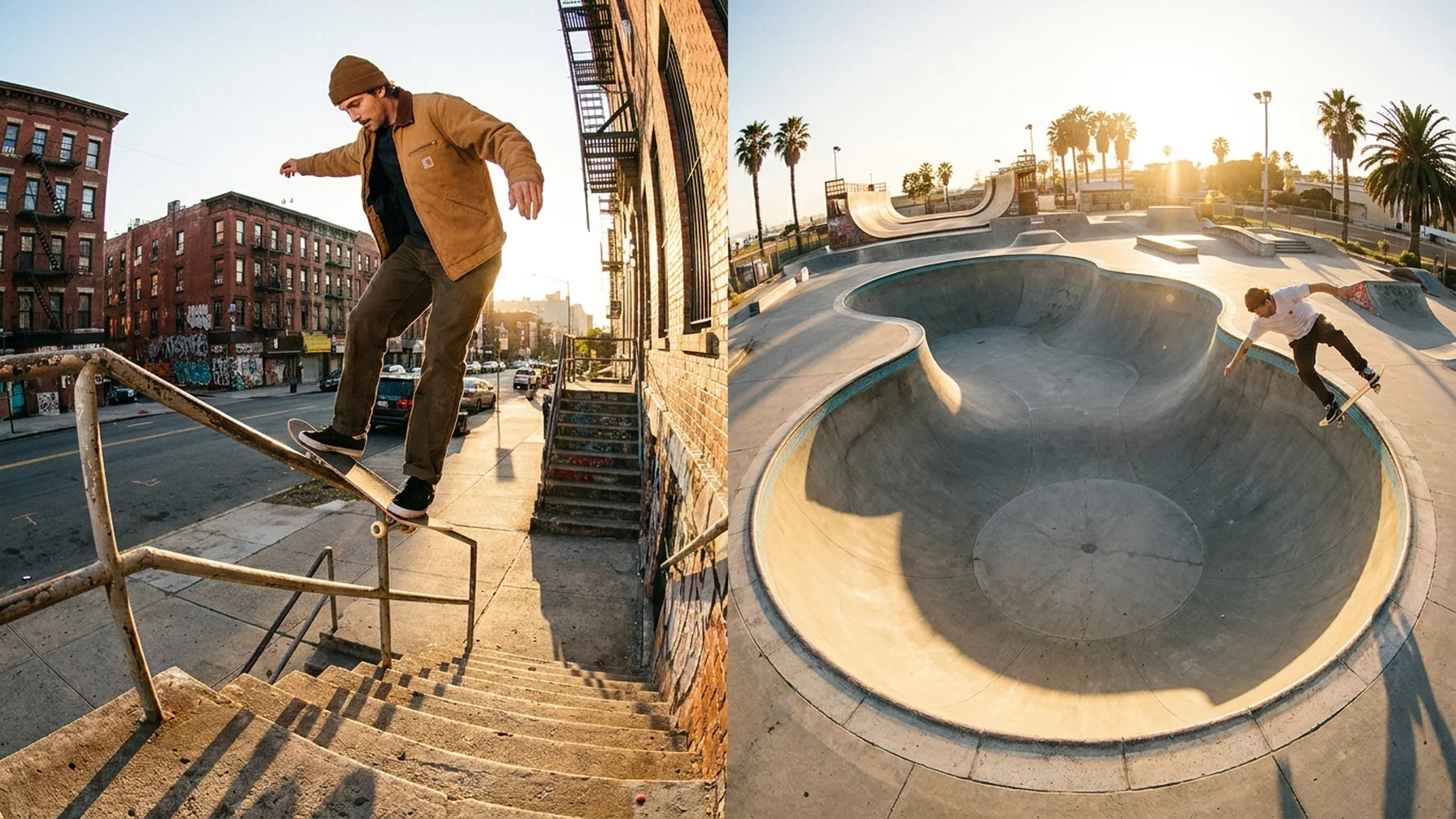
Street skating is all about creativity and using the urban environment to perform tricks. Skaters use stairs, rails, ledges, and even curbs to showcase their skills. This requires a deep understanding of how to grind a rail on a skateboard and how to grind on a curb effectively. The street offers endless possibilities, but demands adaptability and creativity. A well-known example is Rodney Mullen, who revolutionized street skating with tricks like the kickflip and flatground ollie.
- Focus on improvisation and creativity.
- Utilizes urban elements like stairs, rails, and benches.
- Requires understanding different surfaces and angles.
Street skating is ideal for those who enjoy the freedom to skate anywhere. It requires learning essential tricks like how to ollie correctly and how to do a kickflip, as these form the basis for more complex maneuvers. Many skaters find inspiration in everyday surroundings, turning ordinary places into extraordinary skate spots.
Park Skating: Mastering the Designed Terrain
Park skating, on the other hand, takes place in skateparks designed with ramps, bowls, and half-pipes. This controlled environment allows skaters to focus on progression and mastering tricks like how to drop in on a ramp or how to do a 50-50 grind. The smooth surfaces and predictable obstacles offer a more structured skating experience. Skaters like Tony Hawk have pushed the boundaries of park skating, particularly with his famous 900-degree spin.
- Offers a controlled environment with predictable surfaces.
- Features ramps, bowls, and other specialized structures.
- Encourages progression with designated areas for skill levels.
Park skating is perfect for skaters who prefer a structured environment with defined obstacles. It's a great way to build confidence and learn how to land tricks consistently. Skateparks often host contests and events, providing opportunities for skaters to showcase their skills and gain recognition.
Choosing the Right Gear for Street vs Park Skating
Your choice of skateboard and gear can influence your experience in street or park skating. The best skateboard for beginners often depends on where you plan to skate. Here’s what to consider:
- Skateboard Size: A smaller deck is agile for street tricks, while a wider deck offers stability in the park.
- Skateboard Wheels: Softer wheels absorb street vibrations, while harder wheels glide smoothly on park surfaces.
- Skate Shoes: Look for shoes with excellent grip and protection to enhance performance and safety.
It’s also crucial to understand skateboard deck materials explained for durability and how to maintain your skateboard for a long-lasting performance. Pros like Nyjah Huston emphasize the importance of selecting the right gear for optimal performance and safety.
Essential Skills and Tricks for Beginners
Whether you choose street or park, certain skills are foundational. Beginners should focus on a few key skateboarding tricks to set a strong foundation:
- Ollie: Learning how to ollie correctly is the gateway to many other tricks.
- 50-50 Grind: Mastering how to do a 50-50 grind will boost your confidence on rails and ledges.
- Kickflip: A fundamental flip trick that opens doors to more advanced maneuvers.
Building on these skills helps in overcoming fear in skateboarding and tackling more complex tricks with confidence. Skaters often share their progress on social media, creating a supportive community that encourages skill development and creativity.
Safety and Maintenance: Keeping it Safe and Smooth
Safety gear is a must, regardless of your chosen style. Understanding skateboarding safety gear explained can prevent injuries and ensure a safer skating experience. Additionally, maintaining your skateboard is vital for performance:
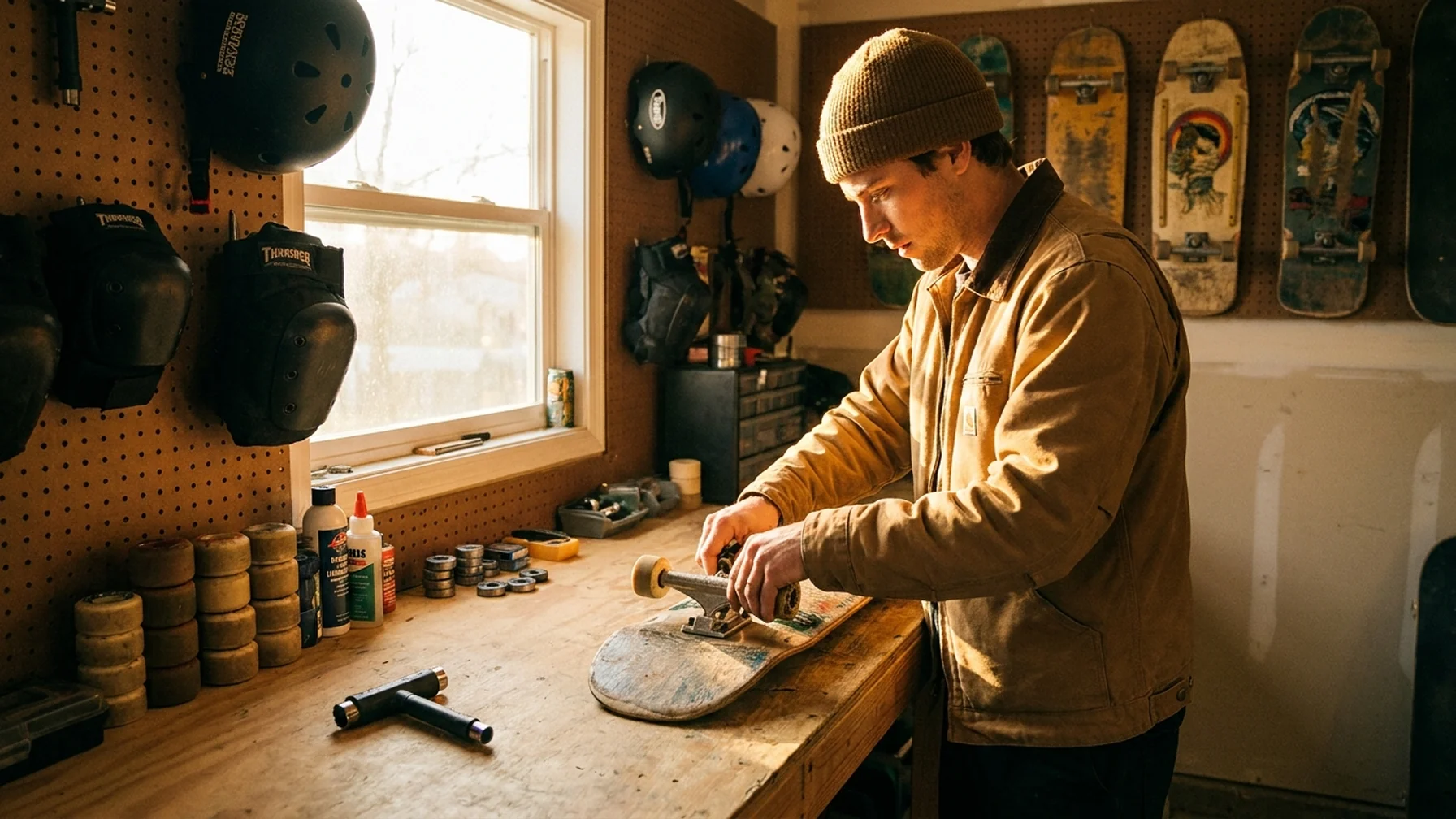
- Regularly check and fix skateboard bearings to ensure smooth rides.
- Tighten or loosen trucks based on your preference for turning and stability.
- Inspect deck and wheels for wear and replace when necessary.
Proper maintenance not only extends the lifespan of your gear but also enhances your performance on both street and park terrains. Skaters like Lizzie Armanto prioritize safety, serving as role models for the importance of wearing helmets and pads.
The Street vs Park Skating Debate: Key Comparisons
To better understand the street vs park skating debate, let's compare some key aspects of each style:
| Aspect | Street Skating | Park Skating |
|---|---|---|
| Environment | Urban streets | Skateparks |
| Surface | Varied, often rough | Smooth, predictable |
| Focus | Creativity and adaptability | Progression and mastery |
| Gear | Agile decks, softer wheels | Stable decks, harder wheels |
| Community | Street culture, informal | Park events, formal contests |
Both styles have their unique attractions and challenges. The choice ultimately depends on your personal preferences and goals. Exploring both styles can provide a well-rounded skateboarding experience.
Common Mistakes and How to Avoid Them
As you dive into street or park skating, it's vital to be aware of common mistakes that skaters often make. These include:
- Ignoring Safety Gear: Skipping helmets and pads can lead to serious injuries. Always prioritize your safety.
- Skipping Basics: Not mastering fundamental tricks can hinder your progress. Take time to learn basic skills.
- Poor Maintenance: Neglecting gear maintenance can affect performance. Regularly check your skateboard for wear and tear.
- Rushing Tricks: Trying advanced tricks without mastering the basics can lead to frustration and injury. Progress gradually.
Addressing these mistakes early can significantly improve your skateboarding experience. Take inspiration from experienced skaters who emphasize patience and practice as keys to success. Remember, even the pros started as beginners, so embrace the learning process.
Conclusion: Finding Your Skateboarding Style
The street vs park skating debate often boils down to personal preference and the type of experience you seek. Street skating offers an unpredictable adventure, while park skating provides a structured environment for skill development. By understanding the nuances of each style, selecting the right gear, and focusing on foundational skills, you can make an informed decision and enjoy skateboarding to its fullest. Experimenting with both styles can also enrich your experience, allowing you to discover new skills and challenges along the way.