Mastering Skateboarding Tricks: A Comprehensive Tutorial
Contents
Skateboarding is a thrilling sport that blends skill, creativity, and a touch of daring. Whether you're starting out or aiming to polish your skills, this skateboarding tricks tutorial will guide you through essential techniques and tips. Dive into learning how to perform an ollie, grind a rail, and more!
Skateboarding Tricks for Beginners
For beginners, mastering the basics is crucial. Here are some fundamental tricks and their key elements:
| Trick | Description |
|---|---|
| Ollie | The foundation of many tricks. Practice popping the board off the ground and landing smoothly. |
| Pop Shuvit | A fun trick that involves spinning the board 180 degrees beneath you. |
| Kickturn | Essential for changing direction on the board. |
These tricks will form the basis of your skateboarding skills and set you up for more advanced moves.
How to Grind a Rail on a Skateboard
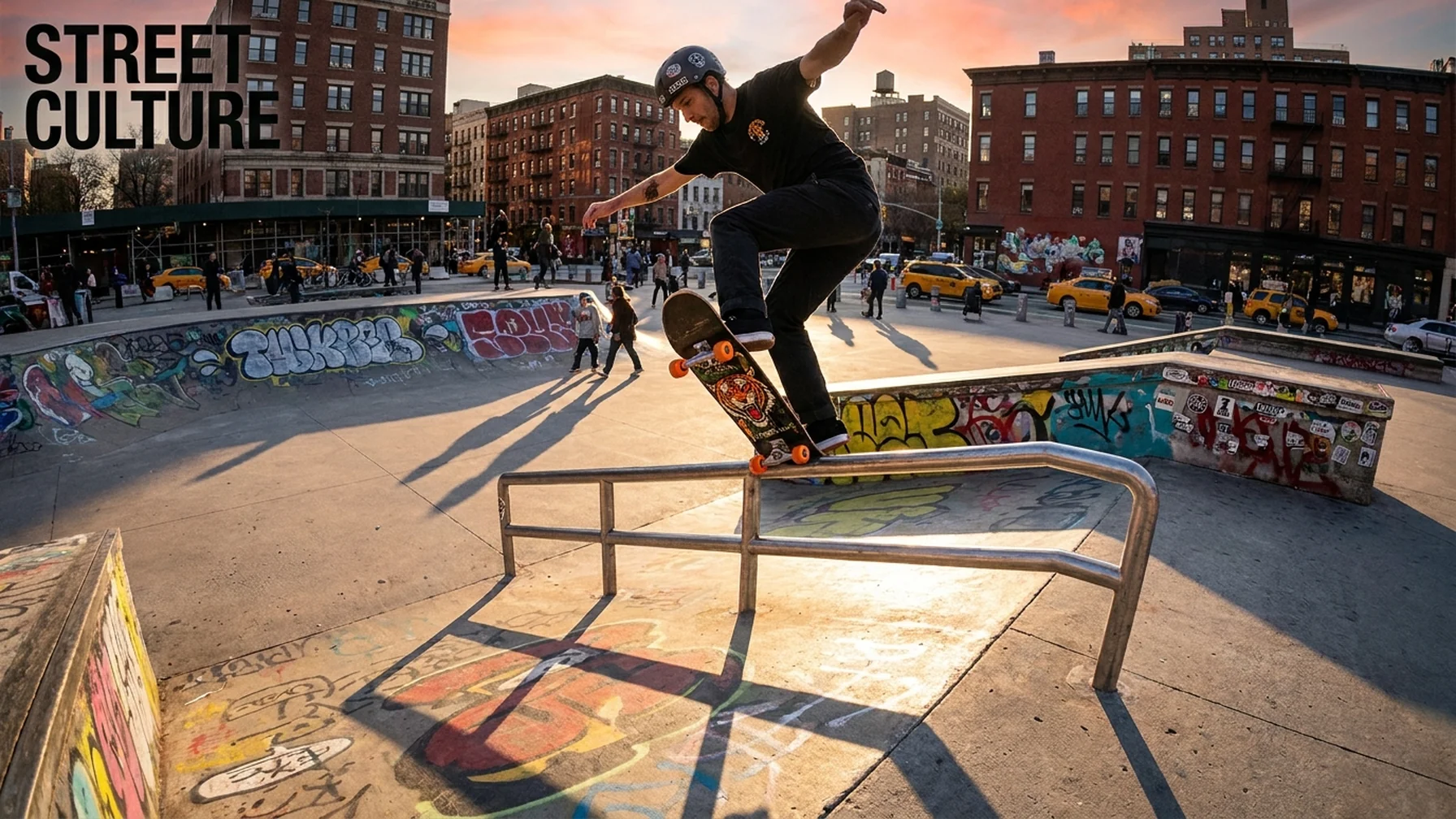
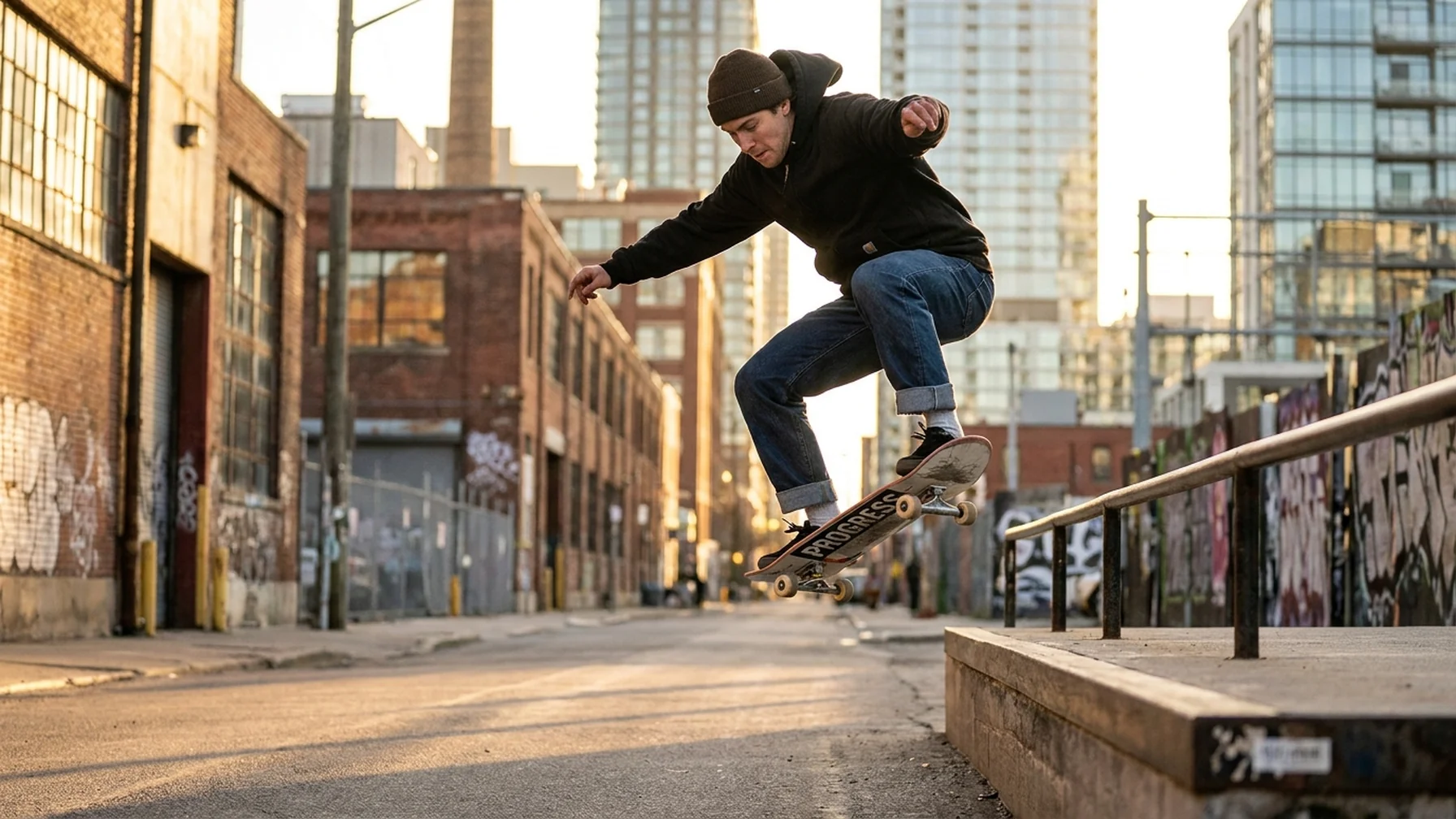
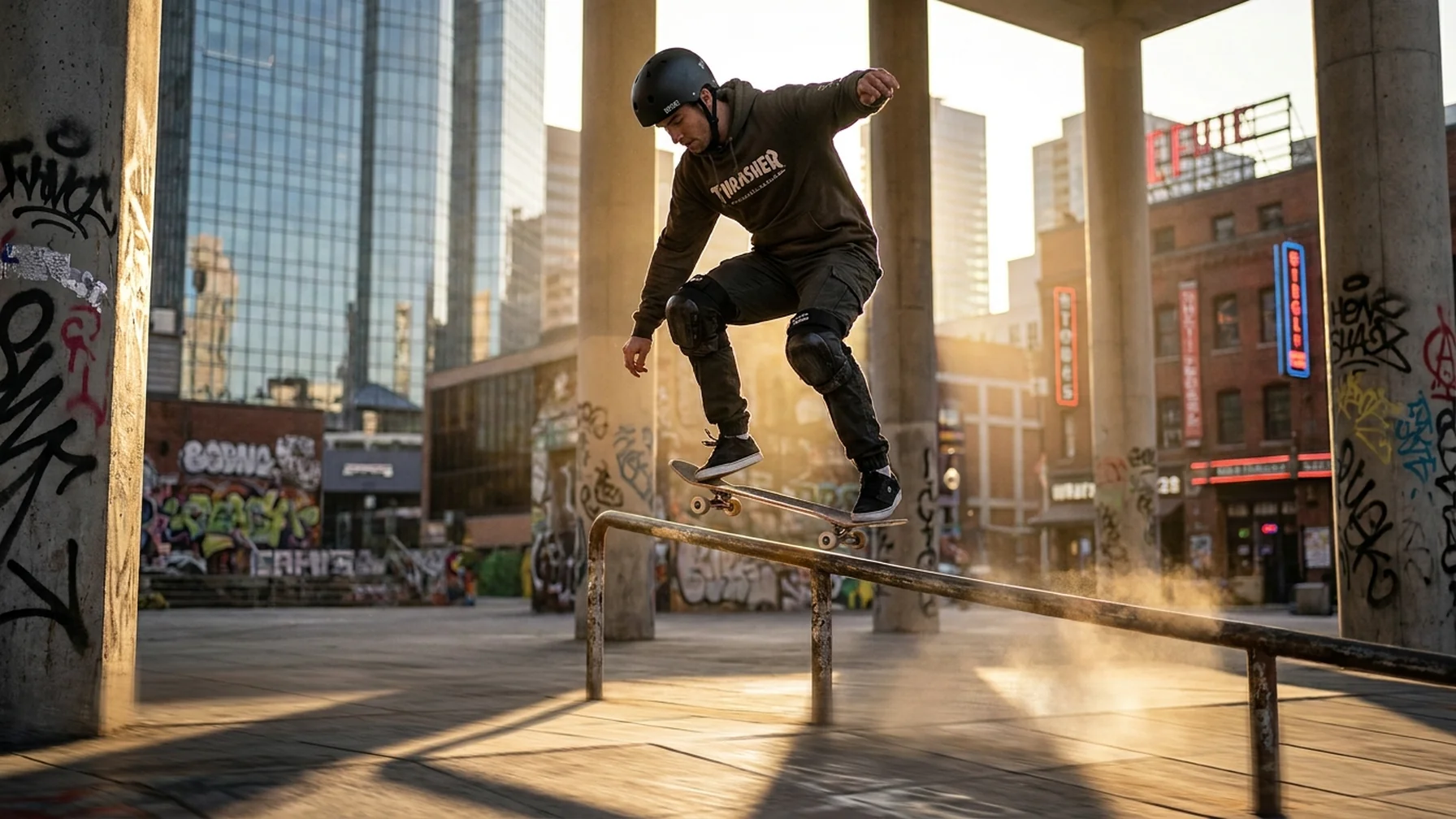
Grind tricks are a staple in skateboarding. To grind a rail successfully, your balance and timing need to be spot-on. Start by approaching the rail at a comfortable speed. As you near the rail, pop an ollie and aim to land with your trucks on the rail. Keep your weight centered and focus on a smooth landing.
How to Ollie Correctly
The ollie is a fundamental trick that involves jumping with the skateboard. To execute it correctly, place your back foot on the tail and your front foot near the middle of the board. Push down on the tail to pop the board into the air while sliding your front foot forward to level it out. Practice is key to perfecting this trick.
Skateboarding Safety Gear Explained
Safety gear is essential for all skateboarders. Key items include:
- Helmet: Protects your head from serious injuries.
- Elbow and Knee Pads: Cushion falls and prevent scrapes.
- Wrist Guards: Support your wrists during falls.
Wearing proper safety gear can prevent injuries and give you confidence to try new tricks.
How to Drop in on a Ramp
Dropping in is a crucial skill for ramp skating. Position your back foot on the tail and your front foot near the nose. Lean forward and commit as you press down, allowing gravity to take you smoothly into the ramp. Confidence is key, so don't hesitate.
Choosing the Best Skateboard for Beginners
Beginners should look for a skateboard that is both stable and easy to control. A deck size of around 7.5 to 8 inches wide is generally recommended. Make sure the board has a solid grip tape for better control and sturdy trucks to handle learning bumps.
How to Choose Skateboard Wheels
Wheel choice can significantly affect your skateboarding experience. Softer wheels (78A-87A) are better for rough surfaces and street skating, while harder wheels (88A-101A) are ideal for smooth skate parks. Diameter also matters; smaller wheels (50-54mm) are great for tricks, while larger ones (55-60mm) are better for cruising.
What Skateboard Size Do I Need?
Choosing the right skateboard size depends on your height, shoe size, and personal preference. Taller skaters or those with larger feet might prefer wider boards, while shorter skaters or those with smaller feet might find narrower boards more comfortable. It's about finding the right balance for control and comfort.
How to Do a 50-50 Grind
The 50-50 grind is a classic trick where both trucks grind along a rail or ledge. Approach the obstacle at a moderate speed, ollie onto it, and land with both trucks evenly distributed. Maintain your balance and aim for a clean exit off the grind.
How to Maintain Your Skateboard
Regular maintenance keeps your skateboard in optimal condition. This includes cleaning bearings, tightening bolts, and checking for deck cracks. Proper care prolongs the life of your board and ensures a safe ride.
Street Skating vs. Park Skating
Street skating involves performing tricks in urban environments, utilizing curbs and rails. Park skating is done in skate parks with ramps and bowls. Each style offers unique challenges and requires different skills, so it's worth trying both to see which suits you best.
How to Land Tricks Consistently
Consistency in tricks comes from practice and focus. Pay attention to your body position and timing. Visualize the trick before attempting it and remain relaxed. Over time, muscle memory will develop, making it easier to land tricks consistently.
Best Skateboarding Tricks to Learn First
For beginners, starting with basic tricks is essential. Focus on learning the ollie, kickturn, and pop shuvit before moving on to more complex tricks like the kickflip or 50-50 grind. Mastering these basics will provide a solid foundation.
How to Grind on a Curb
Grinding on a curb is a great way to practice grind tricks. Approach the curb at a slight angle, ollie onto it, and aim to land with the trucks. Balance is key, so focus on maintaining an even weight distribution.
How to Build Skateboarding Confidence
Confidence grows with experience. Start small and celebrate each success. Set realistic goals and gradually push your limits. The more you skate, the more comfortable and confident you'll become.
How to Fix Skateboard Bearings
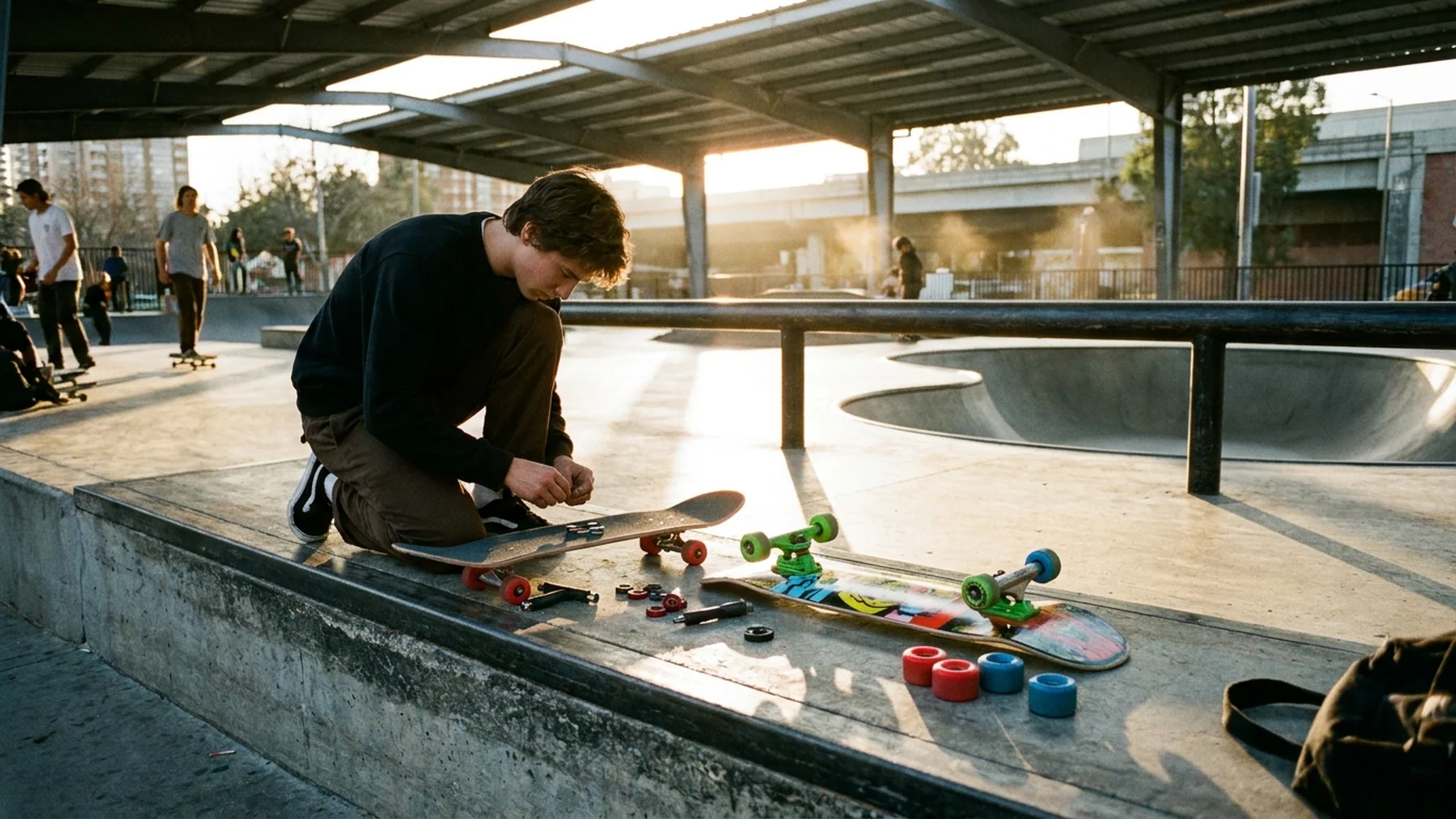
If your skateboard wheels aren't spinning freely, it might be time to clean or replace the bearings. Remove the wheels, take out the bearings, and clean them with a solvent. If they're still not smooth, consider getting new ones for optimal performance.
Common Skateboarding Mistakes
Beginner skaters often face common mistakes such as improper foot placement or lack of balance. Focusing on fundamentals and practicing regularly can help overcome these issues. Patience and persistence are crucial for improvement.
How to Do a Kickflip
The kickflip is a popular trick where the board flips underfoot. Begin like an ollie, but flick your front foot off the side of the board to initiate the flip. Stay centered and prepare for the landing as the board completes its rotation.
Skateboard Deck Materials Explained
Decks are typically made from layers of maple wood, which offers a good balance of strength and flexibility. Some decks include fiberglass or carbon fiber layers for added durability. Choose based on your style and how much wear and tear you expect.
How to Set Up a Skateboard
Setting up a skateboard involves attaching trucks, wheels, and grip tape to the deck. Start by applying grip tape to the top, then attach the trucks and wheels. Ensure all components are securely fastened to avoid accidents.
- Apply grip tape to the deck surface.
- Attach the trucks using screws and a screwdriver.
- Insert bearings into the wheels.
- Attach wheels to the trucks with nuts and a wrench.
- Check all components for tightness and safety.
Proper setup ensures a smooth ride and prevents mechanical issues while skateboarding.