Essential Steps for a Proper Skateboard Maintenance Routine
Contents
Regular skateboard maintenance is vital for both performance and safety. A proper skateboard maintenance routine not only extends the lifespan of your gear but also ensures you have the best possible experience whether you're street skating or hitting the park. Here’s a step-by-step guide to maintaining your skateboard effectively.
Regularly Check and Tighten Hardware
The first step in a skateboard maintenance routine is to consistently inspect the hardware. This includes the nuts and bolts that hold your trucks and wheels in place. Loose hardware can lead to instability and accidents during tricks like grinds and ollies.
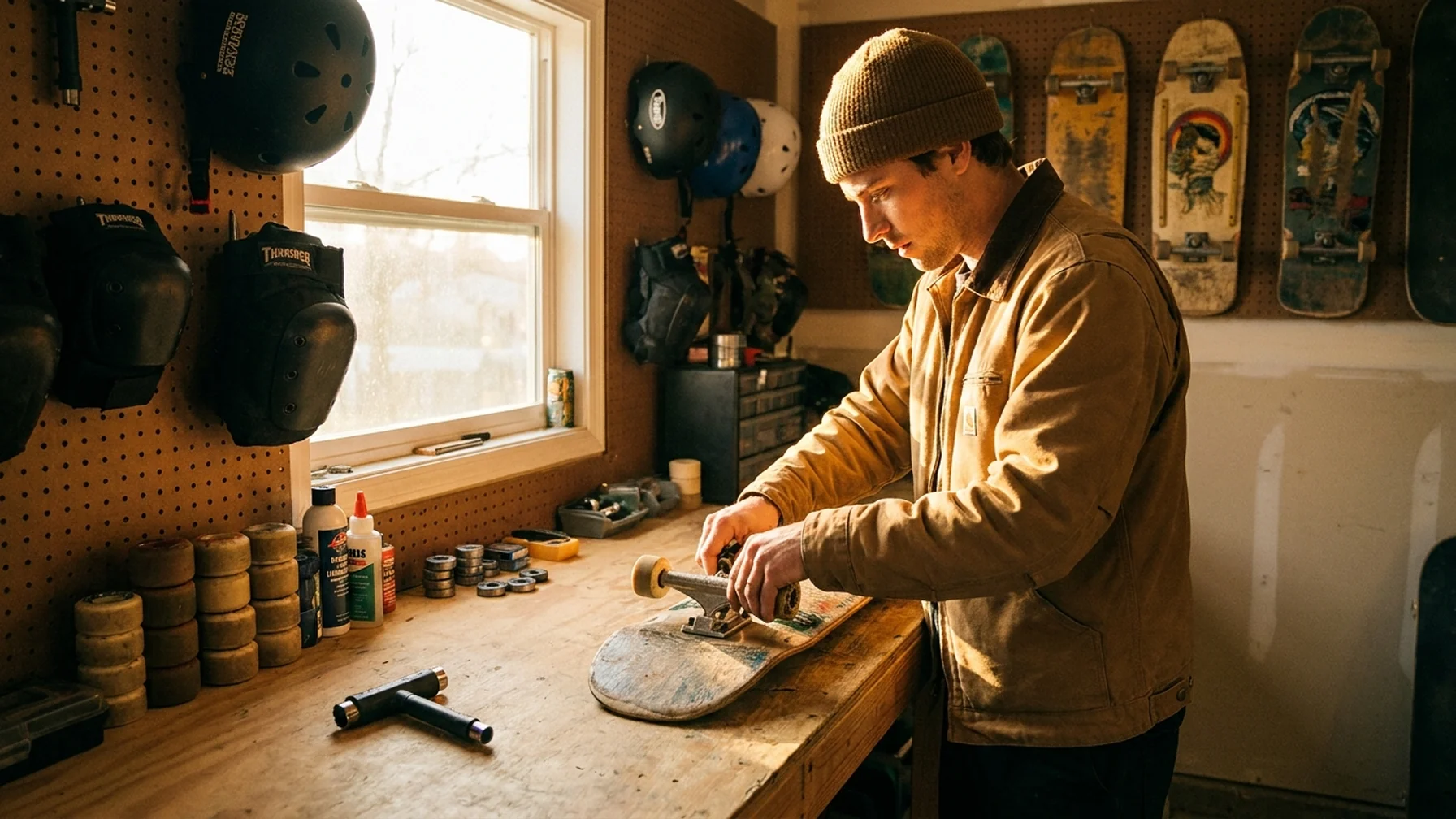
- Use a skate tool to ensure all bolts are securely tightened.
- Check for any signs of rust or wear, particularly if you skate in wet conditions.
- Replace any hardware that looks compromised.
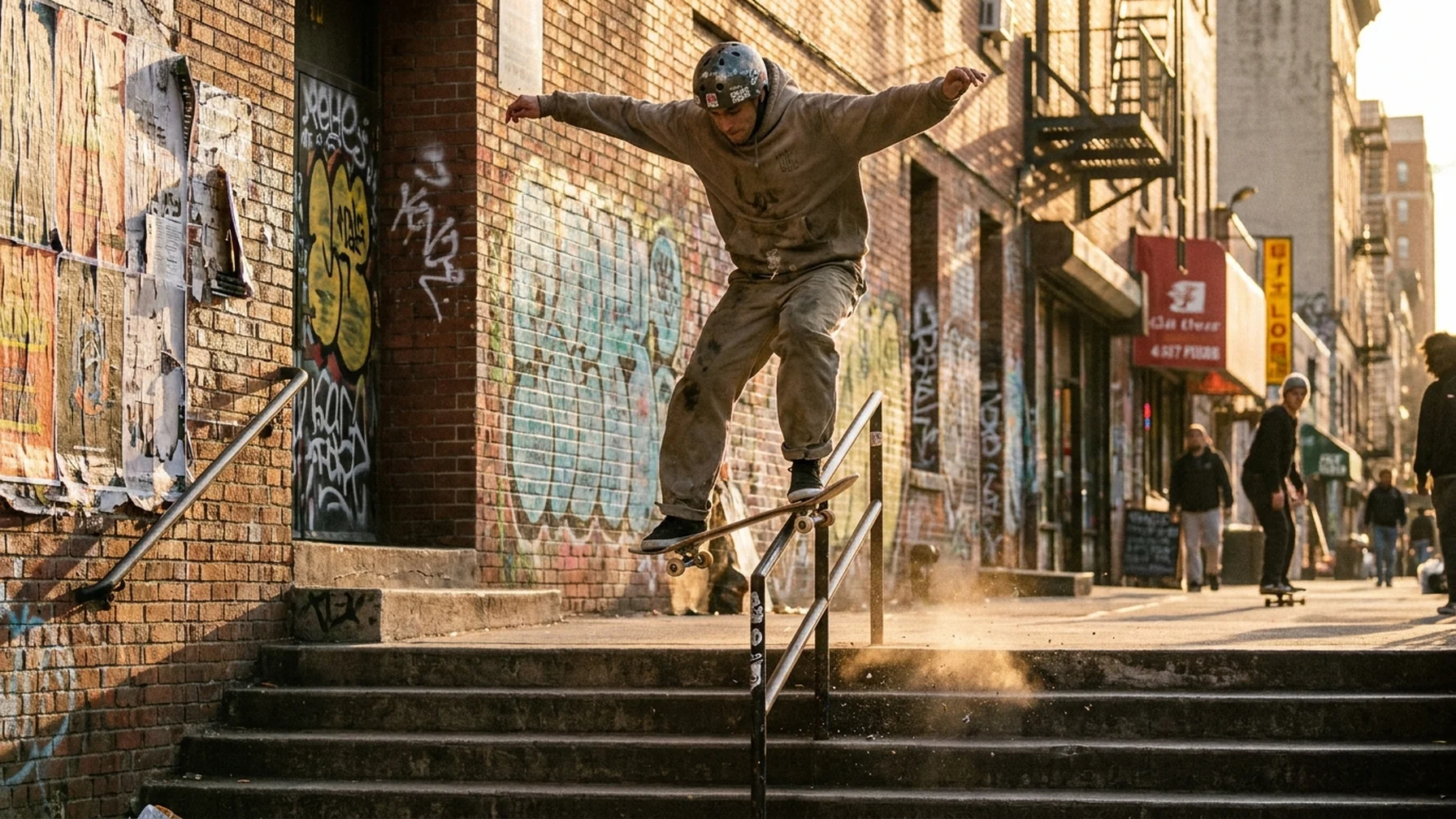
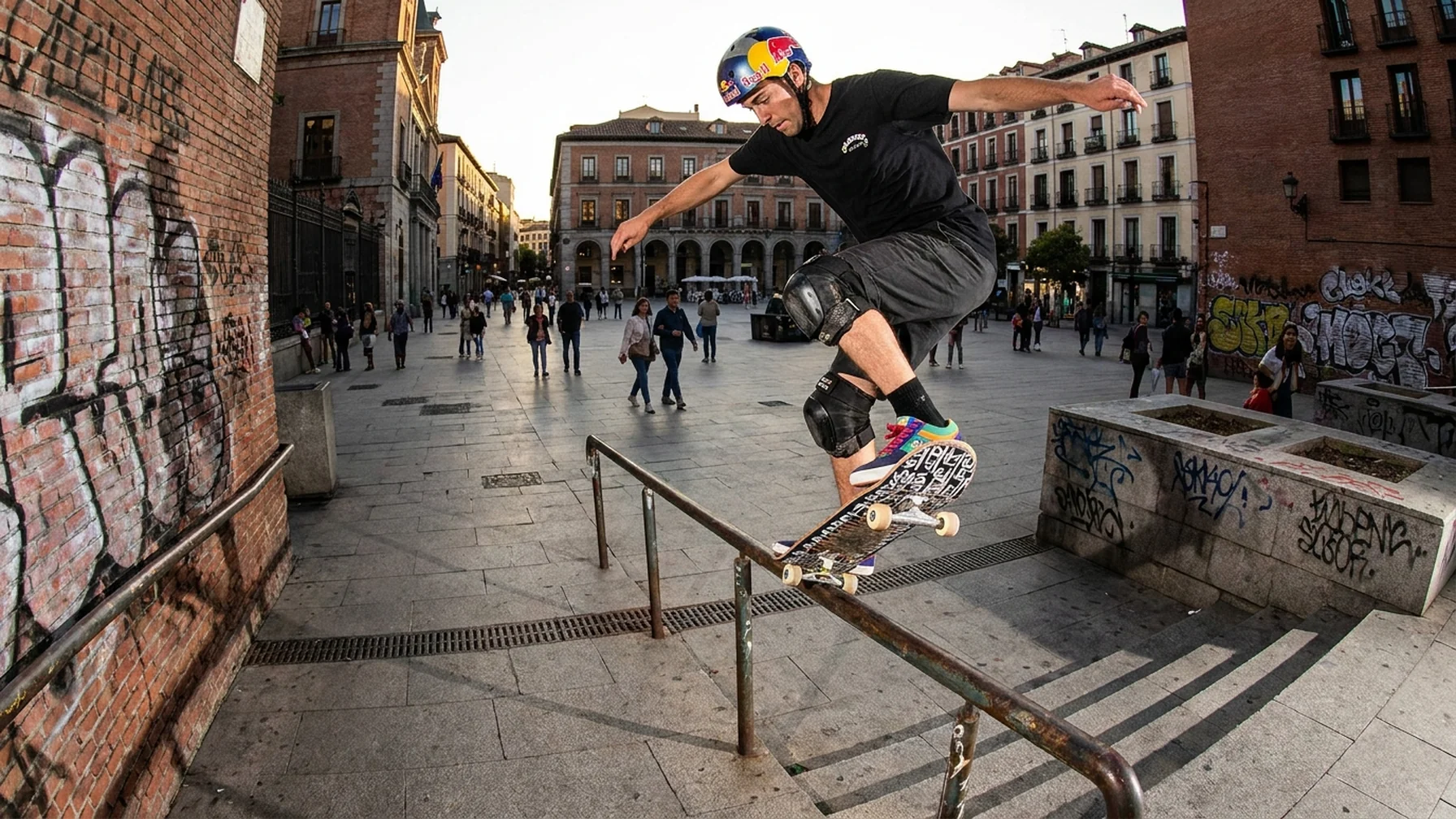
By keeping your hardware tight, you enhance your board's stability, allowing you to focus more on nailing your kickflips and 50-50 grinds.
Maintain Your Skateboard Bearings
Bearings are essential for smooth rides and can significantly affect your speed and control. Here's how to keep them in prime condition:
- Remove the wheels using a skate tool.
- Carefully take out the bearings from the wheels.
- Clean the bearings with a specialized cleaner or a mixture of alcohol and water.
- Allow them to dry completely before applying a light layer of bearing lubricant.
- Reassemble the wheels and bearings onto the trucks.
Properly maintained bearings help you maintain speed and control, especially important for tricks like grinding on a curb or landing consistently on ramps.
Inspect and Replace Worn-Out Grip Tape
Grip tape provides the necessary traction between your shoes and the board. Over time, it can wear out, reducing your control. To ensure maximum grip:
- Regularly check for signs of peeling or loss of texture.
- Replace the grip tape if it no longer feels rough or is peeling significantly.
- Use a razor blade to carefully remove old grip tape before applying a new sheet.
New grip tape can make a significant difference in your ability to land tricks consistently, especially when learning new maneuvers.
Examine the Skateboard Deck for Damage
Your skateboard deck is the foundation of your setup. Regularly inspect it for cracks, chips, or warping, which can affect performance:
- Check the deck for pressure cracks near the trucks.
- Look for any signs of delamination or warping.
- Sand down any rough edges to prevent splinters.
Replacing a damaged deck is essential for safety and ensuring your confidence while performing tricks.
Choosing the Right Wheels and Size
Having the right wheels and board size is crucial for your skating style. Here's how to choose:
- Street skaters typically prefer smaller, harder wheels for better control and tricks.
- Park skaters might choose larger, softer wheels for smoother rides.
- Ensure your board size matches your height and shoe size for optimal control.
Properly selected wheels and board size can enhance your performance, whether you're learning how to drop in on a ramp or doing a kickflip.
Regularly Clean and Replace Bushings
Bushings are the rubber pads between your trucks and deck. They provide cushioning and help with turning. Here's how to maintain them:
- Inspect the bushings for cracks or compression.
- Clean them with mild soap and water if they appear dirty.
- Replace bushings that are cracked or overly squished.
Good bushings contribute to smoother turns, aiding in maneuvers like grinding on rails and executing precise tricks.
Skateboarding Safety Gear and Its Importance
Wearing the right safety gear is vital for any skater. Here's a quick rundown:
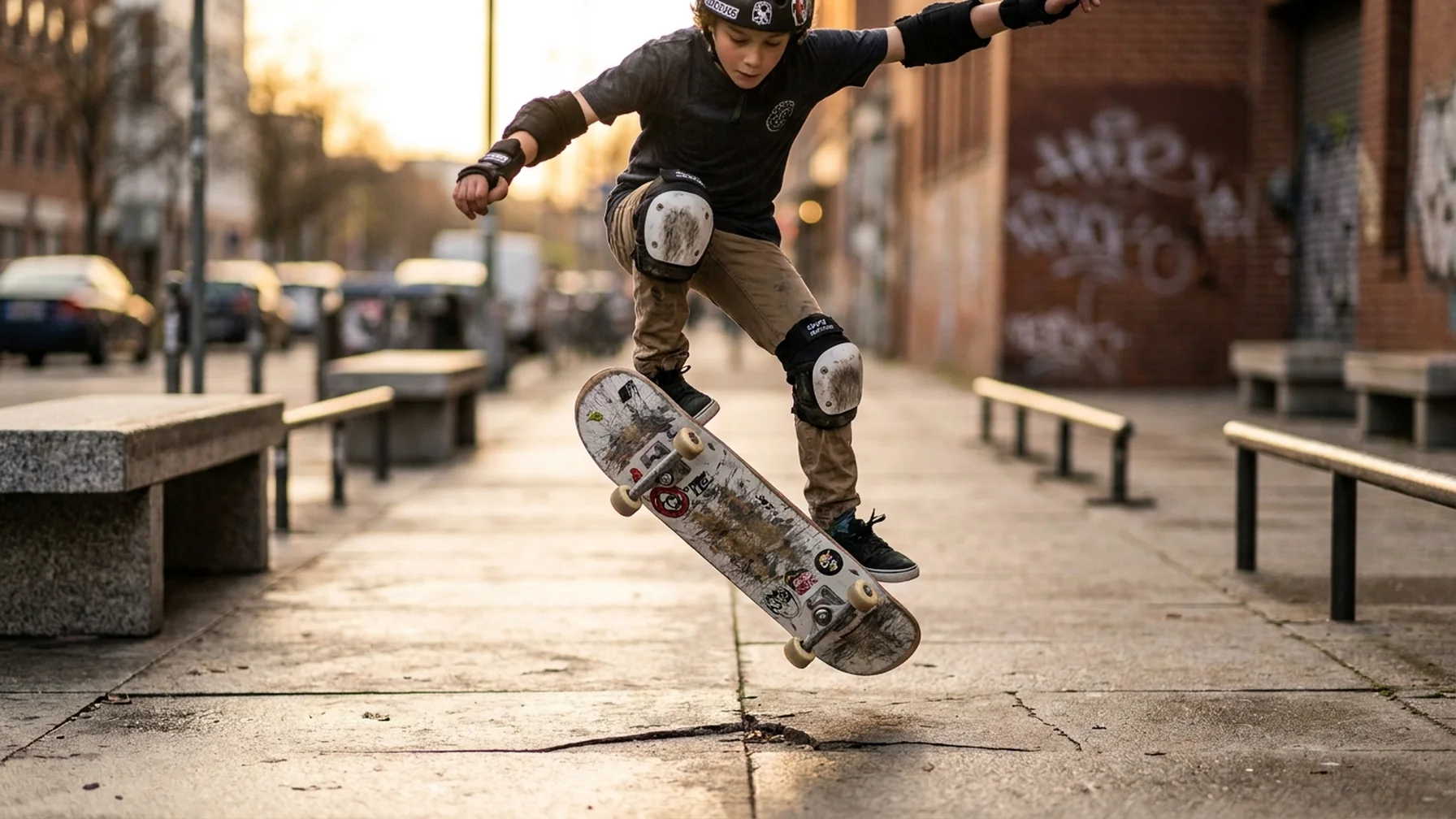
- Helmets protect your head from serious injury.
- Pads for knees, elbows, and wrists prevent abrasions and fractures.
- Skate shoes provide grip and protection for your feet.
Investing in quality safety gear not only protects you but also builds confidence, allowing you to focus on perfecting your tricks without fear.
Comparison of Skateboard Components
Here's a comparison of the essential components to consider for optimal skateboard maintenance:
| Component | Maintenance Tip | Replacement Frequency |
|---|---|---|
| Bearings | Clean and lubricate | Every 3-6 months |
| Grip Tape | Check texture | As needed |
| Deck | Inspect for cracks | Annually or when damaged |
| Wheels | Check for flat spots | Every 6 months to a year |
| Bushings | Inspect for cracks | Annually or when worn |
This table gives a quick overview of the maintenance and replacement needs for each part, helping you keep your skateboard in top shape.
Conclusion: Keep Your Skateboard Ready for Action
A proper skateboard maintenance routine ensures that your gear is always ready for action. By regularly checking and maintaining your skateboard, you can focus on improving your skills and having fun. Whether you're a beginner learning how to ollie correctly or an experienced skater perfecting your 50-50 grind, a well-maintained board is your best ally.