Street Skating Tips: Mastering the Art of Skating on Rails and Curbs
Contents
Street skating is an exciting and challenging aspect of skateboarding that involves performing tricks on various urban obstacles like rails and curbs. Whether you're a beginner or looking to refine your skills, these street skating tips will help you master the basics and progress to more advanced tricks.
Getting Started: Skateboarding Tricks for Beginners
Starting with the right tricks can set a strong foundation for your skateboarding journey. Here are some essential tricks for beginners:
- Ollie: The ollie is the fundamental jump trick that allows you to leap over obstacles. Practice popping the tail and sliding your front foot up to lift the board off the ground.
- Kickturn: This involves turning your board by shifting your weight and pivoting on the back wheels. It's essential for changing direction quickly.
- Manual: Balancing on two wheels, a manual helps improve your control and stability on the board.
Mastering these basic tricks is crucial before moving on to more complex maneuvers like grinding or kickflips.
How to Grind a Rail on a Skateboard
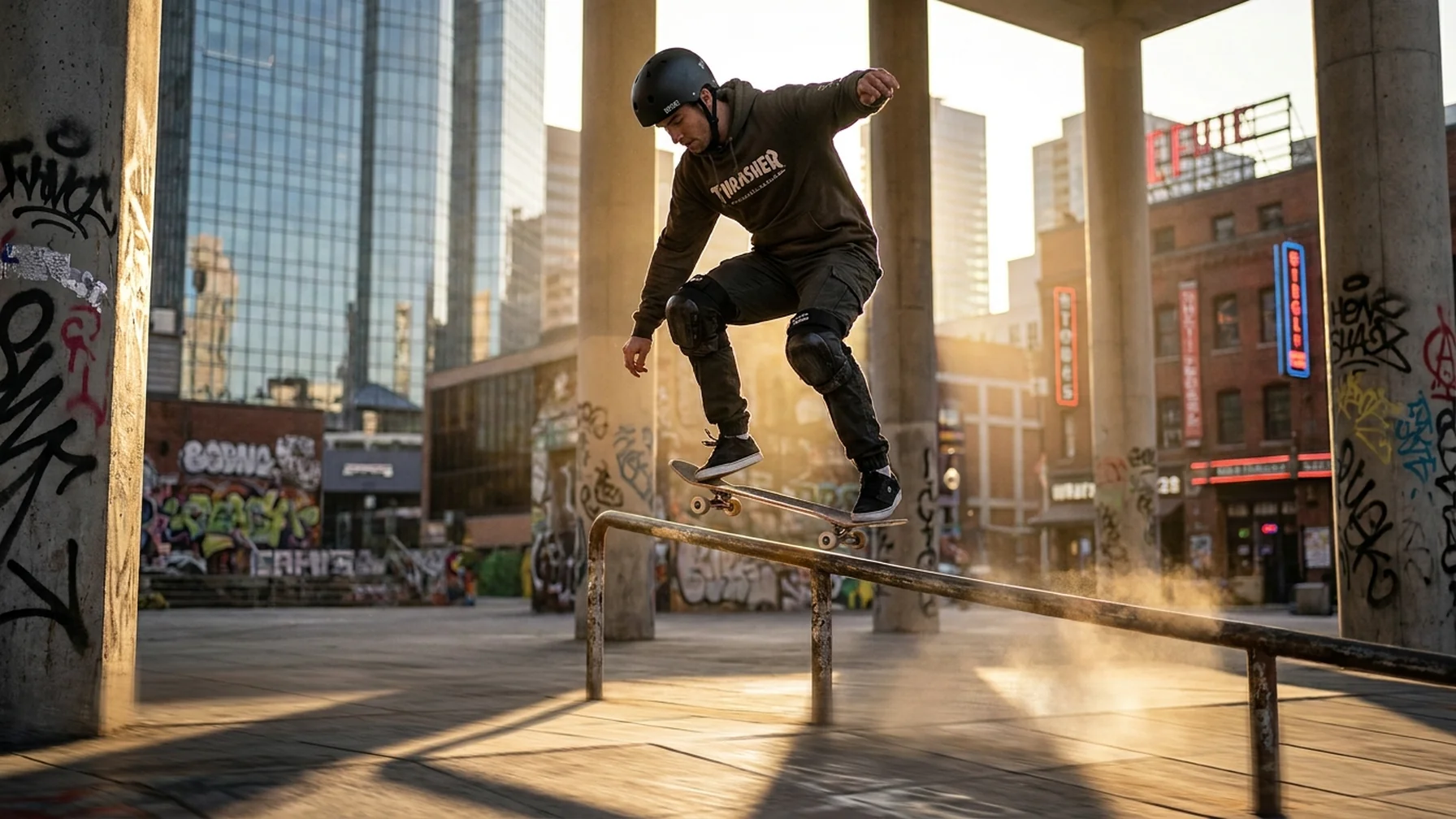
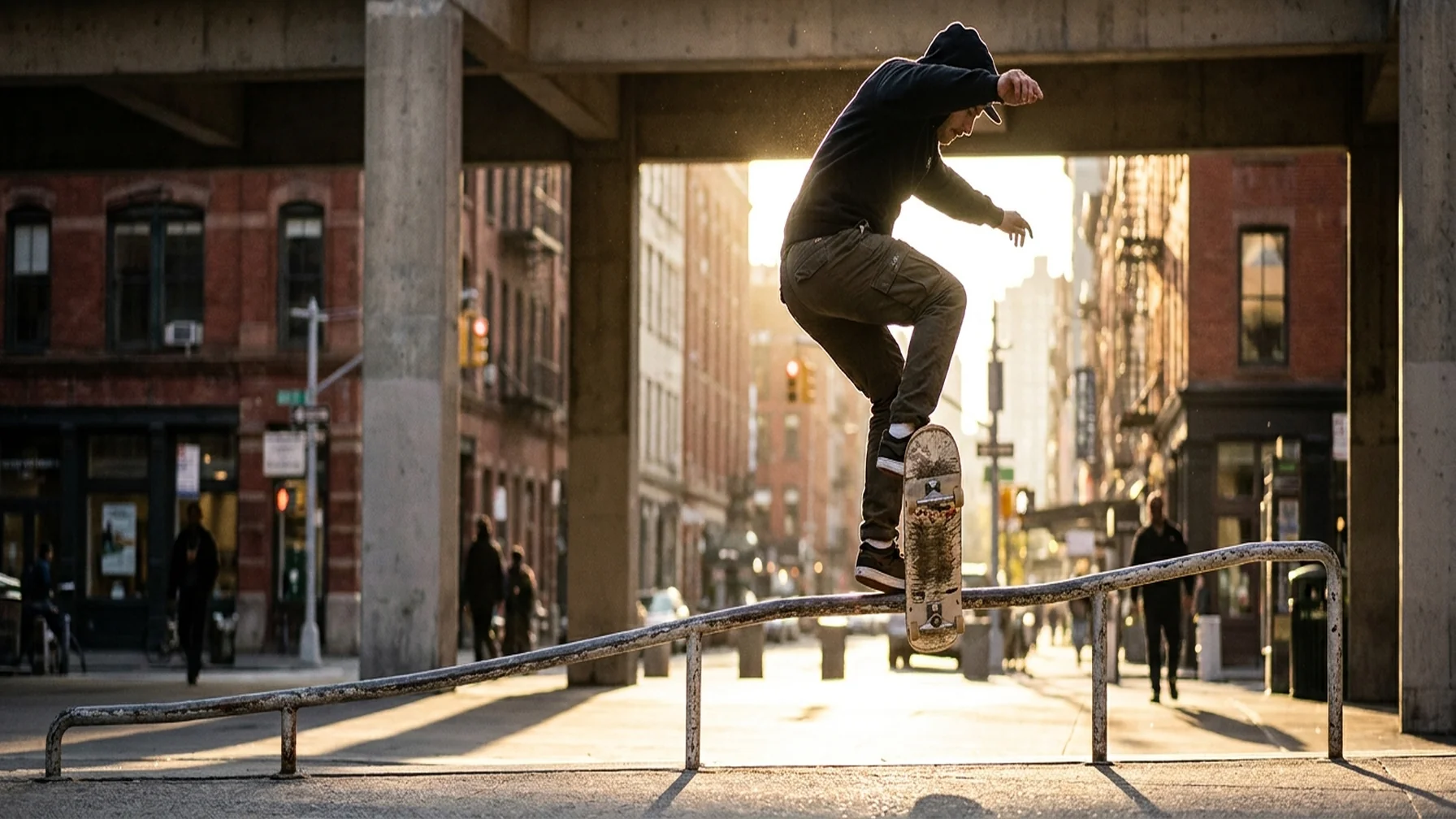
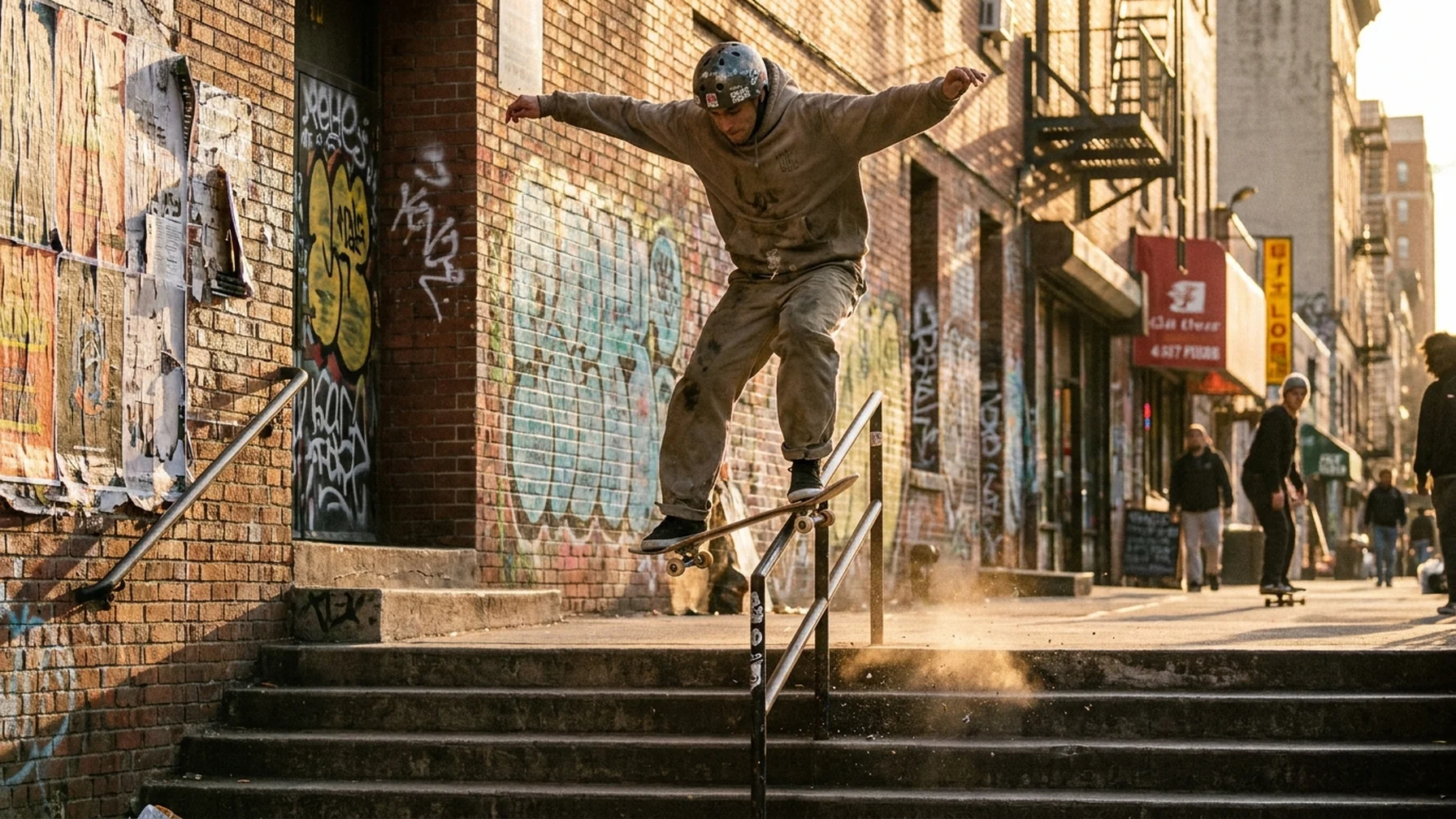
Grinding a rail is a thrilling and visually impressive trick. Follow these steps to nail your first grind:
- Approach the Rail: Begin by rolling toward the rail with sufficient speed. Position your feet in an ollie stance, ready to pop.
- Ollie Onto the Rail: As you reach the rail, execute an ollie. Aim to land both trucks on the rail simultaneously.
- Balance and Slide: Maintain your balance by keeping your knees slightly bent. Focus on sliding along the rail smoothly.
- Dismount Safely: Near the end of the rail, prepare to dismount by slightly lifting the nose of the board. Land with your knees bent to absorb the impact.
Practice is key to mastering rail grinds. Start with lower rails and gradually work your way up to higher obstacles.
Choosing the Right Gear: Best Skateboard for Beginners
Selecting the right skateboard can significantly influence your learning experience. Here's what beginners should look for:
- Deck Size: A wider deck offers more stability, making it easier for beginners. Look for decks around 8.0 to 8.5 inches wide.
- Wheel Hardness: Softer wheels (78A-87A) provide better grip and a smoother ride, ideal for street skating.
- Trucks and Bearings: Choose trucks that match your deck size. Quality bearings ensure smoother and faster rides.
Investing in a skateboard that suits your needs can make learning more enjoyable and less frustrating.
Street Skating Safety: Essential Gear Explained
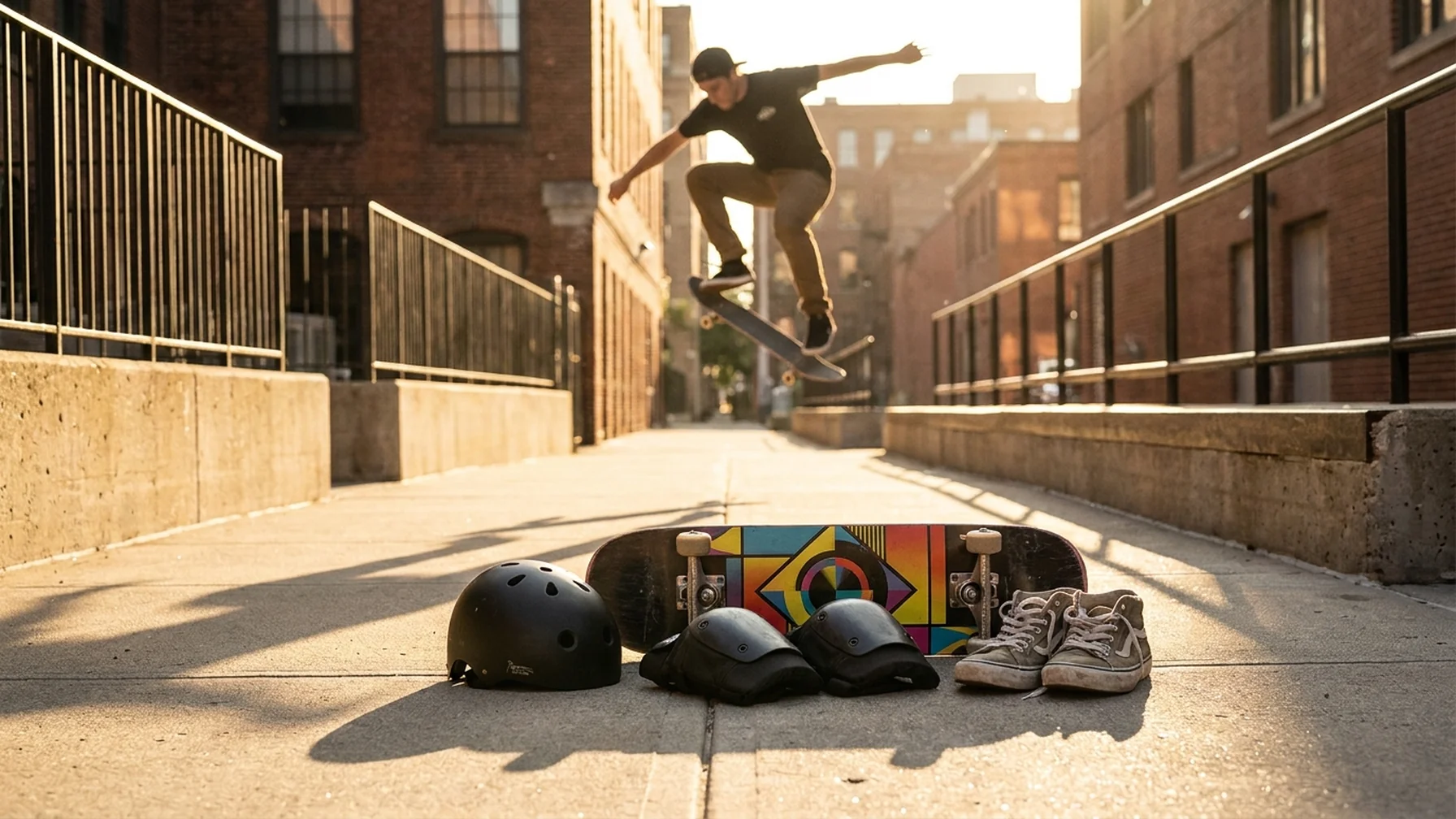
Safety should always be a priority when street skating. Here’s a breakdown of essential safety gear:
- Helmet: Protect your head with a certified skateboarding helmet.
- Pads: Knee and elbow pads safeguard your joints during falls.
- Wrist Guards: These help prevent wrist injuries from falls.
- Proper Shoes: Skate shoes with good grip and cushioning can prevent slips and provide comfort.
Wearing the right safety gear not only protects you but also boosts confidence while attempting new tricks.
How to Maintain Your Skateboard
Regular maintenance of your skateboard is essential for optimal performance. Here are some tips to keep your board in top shape:
- Check the Deck: Inspect for cracks or chips and replace if necessary.
- Lubricate Bearings: Clean and lubricate bearings regularly to ensure a smooth ride.
- Tighten Trucks: Adjust the trucks to your preferred tightness for better control.
Taking care of your skateboard not only extends its lifespan but also enhances your skating experience.
Building Confidence: Overcoming Fear in Skateboarding
Fear can be a major hurdle in street skating. Here are some strategies to build confidence:
- Start Small: Begin with simple tricks and gradually increase difficulty.
- Practice Regularly: Consistent practice helps build muscle memory and confidence.
- Visualize Success: Mentally rehearsing tricks can improve execution and reduce fear.
Confidence grows with experience, so keep pushing your limits while ensuring safety.
Street Skating vs. Park Skating: Understanding the Differences
Street skating and park skating offer unique experiences. Street skating involves navigating urban environments, while park skating focuses on constructed obstacles. Here's a quick comparison:
| Aspect | Street Skating | Park Skating |
|---|---|---|
| Environment | Urban streets, rails, curbs | Skate parks with ramps, bowls |
| Tricks | Grinds, flips, slides | Aerials, ramps, transitions |
| Surface | Uneven, varied | Smooth, controlled |
Understanding these differences can help you decide which style suits your interests and skill level.
Conclusion: Embrace the Street Skating Journey
Street skating is a thrilling journey filled with challenges and triumphs. By focusing on fundamental tricks, choosing the right gear, and maintaining your skateboard, you can progress safely and confidently. Remember, every skater started where you are, so keep practicing, stay safe, and enjoy the ride!