Mastering Skateboard Tricks Progression: A Guide for Beginners
Contents
Skateboarding is a thrilling sport combining creativity, skill, and courage. For beginners, understanding skateboard tricks progression can be the key to mastering this exciting activity. Whether you're looking to grind a rail, perform an ollie, or conquer a kickflip, this guide will help you step up your skateboarding game.
Choosing Your First Skateboard
Choosing the right skateboard is crucial for beginners. Look for a board with a wider deck, which provides stability and makes learning tricks easier. Ensure the trucks are tight enough to control, but loose enough to turn smoothly. A board with a medium concave is versatile for both street and park skating.
Understanding Skateboard Deck Materials
Skateboard decks are typically made from various materials, each offering unique benefits. Here's a quick guide to help you understand the common materials used in skateboard decks:
This table outlines the characteristics and benefits of different skateboard deck materials.
| Material | Characteristics | Benefits |
|---|---|---|
| Maple Wood | Durable, good pop | Classic choice, reliable performance |
| Fiberglass | Strong, lightweight | Enhances strength without adding much weight |
| Carbon Fiber | Very strong, lightweight | Offers superior strength and flexibility |
When selecting a deck, consider how the material impacts performance, weight, and flexibility according to your personal preference and skateboarding style.
Skateboard Tricks Progression Table
Understanding the progression of popular skateboard tricks can help set achievable goals and track improvement. Here's a look at common tricks and their difficulty levels:
| Trick | Difficulty Level |
|---|---|
| Ollie | Beginner |
| Kickflip | Intermediate |
| Heelflip | Intermediate |
| Pop Shuvit | Intermediate |
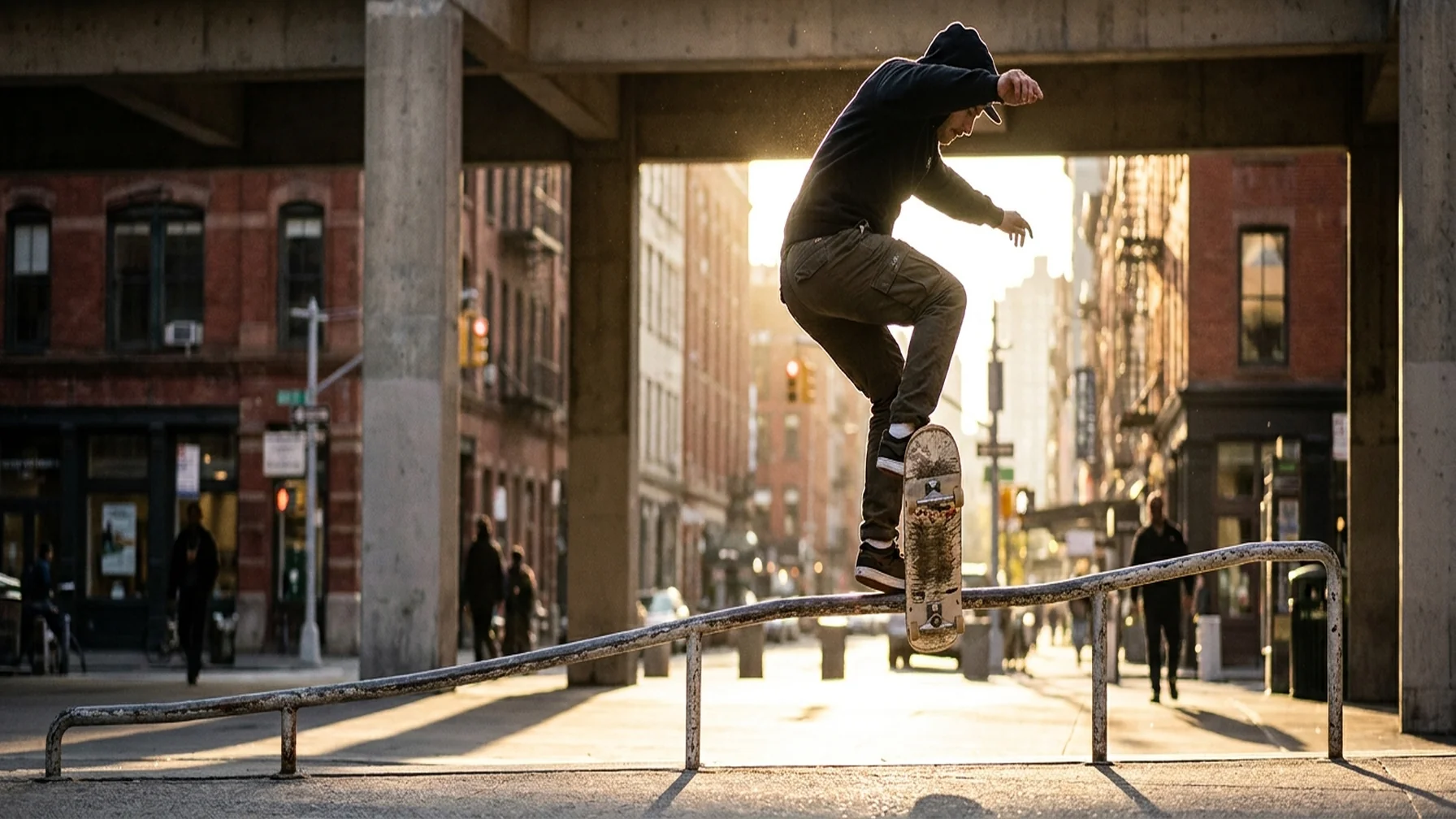
| Smith Grind | Advanced |
| Frontside Flip | Expert |
As skaters master these tricks, they gradually elevate their skills and prepare for more complex maneuvers. This structured approach not only boosts confidence but also enhances overall skateboarding technique.
Step-by-Step Guide to Skateboard Tricks Progression
Progressing in skateboard tricks requires patience and practice. Here's a structured approach to help you master key tricks in a logical order.
- Learn to ride your skateboard comfortably and gain balance.
- Practice the Ollie, which is the foundational trick for many others.
- Move on to tricks like the Pop Shuvit and 180.
- After mastering those, attempt flips such as the Kickflip and Heelflip.
- Explore grinds and slides on different edges and rails.
By following these steps, you'll systematically build your skills, ensuring a solid foundation for more complex tricks in the future.
Common Skateboarding Mistakes to Avoid
Improving your skateboarding skills involves avoiding common mistakes that many beginners make. Here's a list to keep in mind:
- Not committing fully to tricks
- Incorrect foot placement
- Neglecting safety gear
- Practicing on unsuitable terrain
Avoid these pitfalls by focusing on consistent practice and correct techniques.
Learning the Basics: How to Ollie Correctly
The ollie is the foundation of many skateboarding tricks. To perform an ollie, start by popping the tail of the board down while jumping and sliding your front foot up the deck. Practice on flat ground before attempting on obstacles.
Building Confidence: How to Overcome Fear in Skateboarding
Fear can be a significant barrier in skateboarding. Start with small goals and gradually increase difficulty as you gain confidence. Protective gear like helmets and pads can also reduce anxiety by minimizing the risk of injury.
Skateboarding Safety Gear Explained
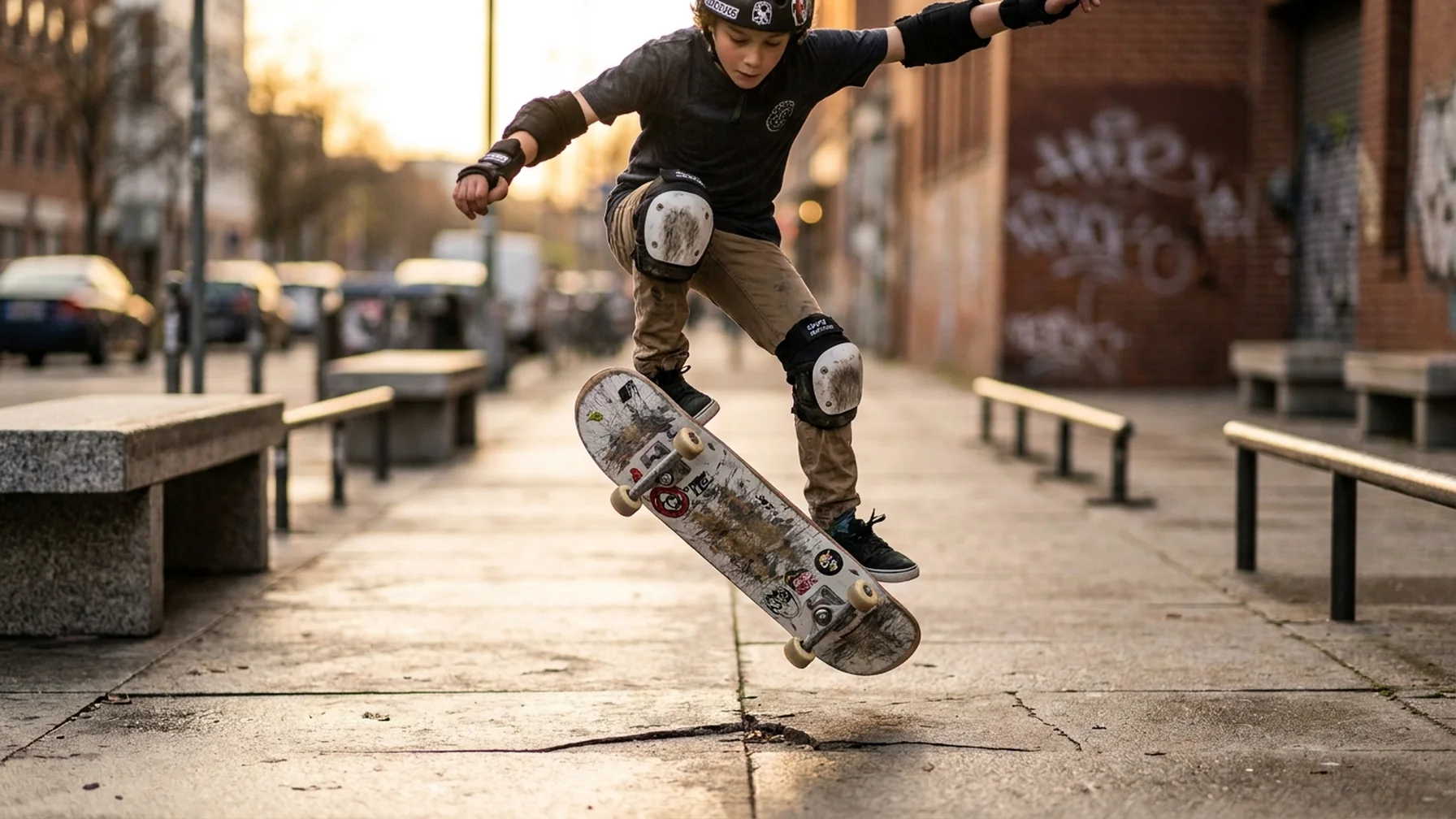
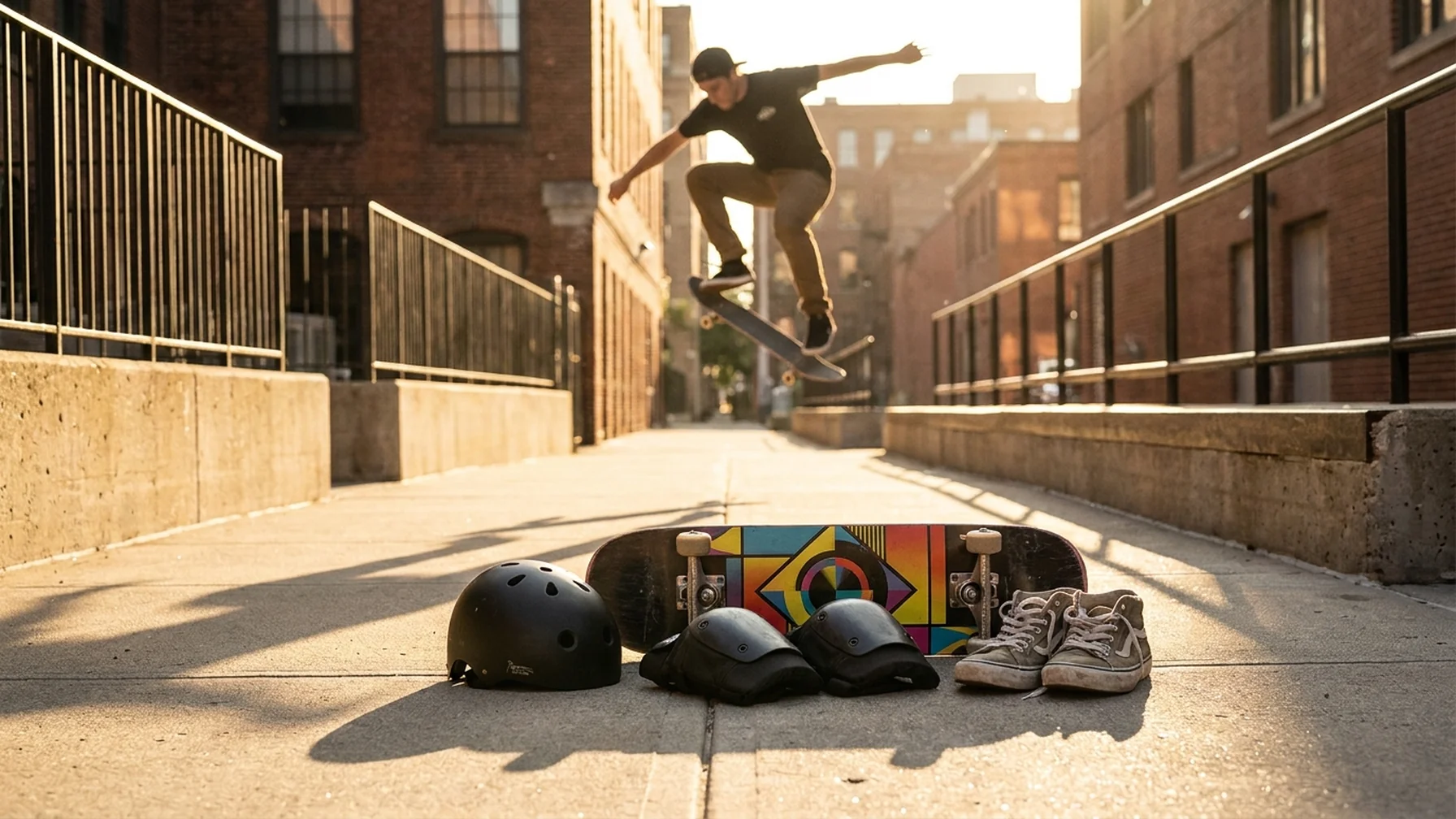
Safety gear is essential for skateboarding. A helmet protects your head from impacts, while knee and elbow pads cushion falls. Wrist guards can prevent sprains and fractures. Always ensure your gear fits well and is in good condition.
Skateboard Wheels and Their Impact
Wheel size and hardness affect your ride. Softer wheels provide better grip and are ideal for rough surfaces, while harder wheels are faster and more suited for smooth skateparks. Select wheels based on your skating environment.
How to Maintain Your Skateboard
Regular maintenance extends your skateboard's lifespan. Check the tightness of your trucks, clean your bearings, and replace worn-out grip tape. Keeping your board in good condition ensures optimal performance.
Skate Shoes for Better Grip
Skate shoes with grippy soles and reinforced stitching provide better control and durability. Look for shoes specifically designed for skateboarding, as they offer improved protection and comfort.